


Why is it not advisable to take a nap immediately after a meal?
Mar 28, 2025
Source: Cainiu Health

Dr. Yang Ziqi
Introduction
Generally speaking, the reasons why it is not advisable to take a nap immediately after a meal include impaired digestion, increased risk of obesity, insufficient blood supply to the brain, higher likelihood of developing reflux esophagitis, and interference with the normal digestive process. To avoid these adverse effects, it is recommended to engage in light activity for half an hour to an hour after eating before taking a nap. This allows for proper digestion while also achieving better results from the midday rest.
Generally speaking, the reasons why it is not advisable to take a nap immediately after a meal include impaired digestion, increased risk of obesity, insufficient blood supply to the brain, increased risk of reflux esophagitis, and interference with the normal digestive process. The specific details are as follows:
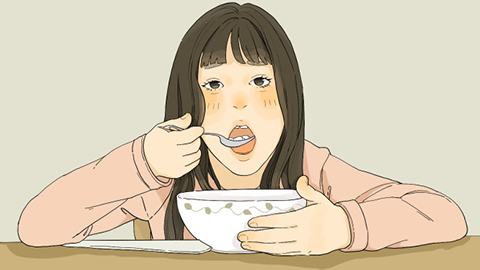
1. Impaired digestion: After a meal, the digestive system begins to work, and a large amount of blood flows to the stomach and other digestive organs to promote digestion and absorption. If you fall asleep immediately at this time, the body's metabolic rate will slow down, and intestinal peristalsis will also become slower, which is not conducive to digestion and absorption.
2. Increased risk of obesity: Taking a nap immediately after a meal reduces the body's energy consumption, and the ingested food cannot be promptly consumed and metabolized. Excess calories are easily converted into fat stored in the body, which may lead to weight gain over time.
3. Insufficient blood supply to the brain: After a meal, blood is mainly concentrated in the digestive system. If you fall asleep immediately, the blood supply to the brain may become relatively insufficient, possibly causing symptoms such as dizziness and fatigue. You may also feel sluggish after waking up.
4. Increased risk of reflux esophagitis: When sleeping, the body lies flat, making it easier for stomach contents to reflux into the esophagus. If you nap immediately after eating, the stomach has not yet completed digestion, and the possibility of food reflux is even greater. Long-term occurrence may lead to diseases such as reflux esophagitis.
5. Interference with the normal digestive process: During sleep, the body's blood circulation is redistributed, with more blood flowing to vital organs such as the brain, while relatively less blood flows to the gastrointestinal tract to aid digestion, thus interfering with the normal digestive process.
To avoid these adverse effects, it is recommended to engage in appropriate activities for half an hour to an hour after a meal before taking a nap. This ensures normal digestive function while achieving better napping effects. Additionally, the duration of the nap should not be too long, ideally around 30 minutes.
References:
[1] Chinese Nutrition Society. Chinese Dietary Guidelines (2022 Edition) [M]. Beijing: People's Health Publishing House, 2022: 55-58.







