Can I breastfeed after drinking glutinous rice wine?
Apr 01, 2025
Source: Cainiu Health

Dr. Zhang Lu
Introduction
After the glutinous rice wine has been sufficiently heated to ensure that the alcohol content is mostly evaporated, the postpartum woman may consume a moderate amount and then proceed with breastfeeding. Heated glutinous rice wine primarily retains its warming and nourishing effects along with its unique flavor, having minimal impact on the quality of breast milk. Postpartum women with a constitution prone to deficiency and cold, who need to replenish energy, may benefit from consuming small amounts of such heated glutinous rice wine, as it could help improve qi and blood deficiency.
After consuming glutinous rice wine, if the wine has been sufficiently heated and the alcohol has mostly evaporated, it is generally acceptable to breastfeed. However, if the glutinous rice wine still contains residual alcohol or the mother is sensitive to alcohol, breastfeeding should be avoided. If any abnormalities occur, prompt medical attention is recommended. Detailed explanation is as follows:
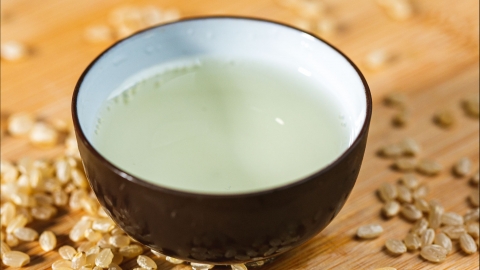
If the glutinous rice wine has been adequately heated to ensure that most of the alcohol has evaporated, the mother can consume it in moderation and then breastfeed. After heating, the rice wine mainly retains its warming and nourishing effects and distinctive flavor, with minimal impact on the quality of breast milk. Mothers with a constitution prone to cold deficiency or those needing energy replenishment may benefit from consuming small amounts of heated glutinous rice wine, as it may help improve blood deficiency, enhance vital energy, and relieve fatigue.
If the glutinous rice wine has not been sufficiently heated, leaving residual alcohol, or if the mother is particularly sensitive to alcohol, breastfeeding is not recommended after consumption. This is because alcohol can pass into breast milk and subsequently be ingested by the infant, whose liver is not yet fully developed and therefore unable to effectively metabolize alcohol. This may negatively affect the infant's nervous system and physical development, potentially causing sleep disturbances, irritability, or other health issues.
Women who are breastfeeding should strictly adhere to dietary restrictions to avoid consuming harmful substances such as alcohol, in order to protect their infants' health and support their own recovery.