


Can people with liver problems take cooked rehmannia?

Generally, people with liver problems can take prepared rehmannia (Shu Di Huang), but it should be used correctly under the guidance of a physician. The detailed explanation is as follows:
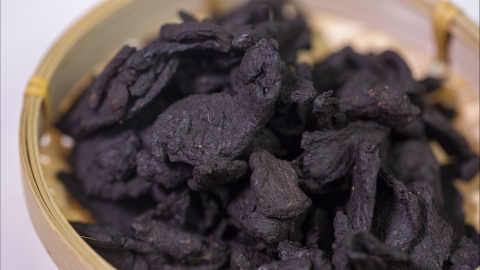
Prepared rehmannia is a traditional Chinese herbal medicine that has functions of nourishing blood and yin, and enriching essence and marrow. It is commonly used to treat conditions such as liver and kidney yin deficiency, soreness and weakness of the lower back and knees, night sweats, and seminal emission. For individuals with impaired liver function, appropriate use of prepared rehmannia may help alleviate certain related symptoms. However, whether it is suitable for consumption should be determined based on the individual's specific medical condition and physical constitution.
Individuals with liver issues may suffer from various liver diseases such as hepatitis or fatty liver. The treatment of these conditions should follow medical advice, including the use of medications. Therefore, before taking prepared rehmannia, one should first consult a physician or traditional Chinese medicine practitioner to ensure safe and effective medication use. It is important to consume it in moderation, as excessive intake may increase the burden on the liver and hinder recovery.
During the period of consuming prepared rehmannia, individuals with liver problems should regularly monitor liver function indicators, such as transaminase levels. This helps to promptly assess liver health and adjust treatment plans according to the monitoring results. In addition to pharmacological treatment, attention should also be given to dietary management. It is recommended to maintain a light and easily digestible diet, avoiding excessive intake of high-fat and high-cholesterol foods to reduce the burden on the liver.


