


Can I drink Qixing tea after eating mulberries?

Eating mulberries generally can be combined with drinking Qixing tea, and moderate consumption is recommended.
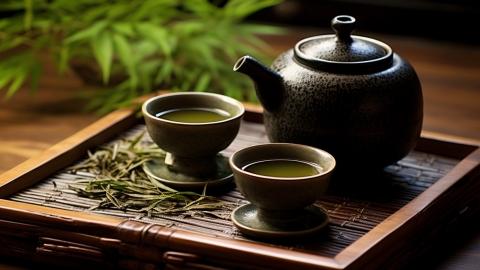
For healthy individuals, consuming mulberries and drinking Qixing tea do not present significant contraindications. Mulberries are rich in nutrients such as vitamin C, iron, and calcium, and have nourishing and blood-enriching properties, as well as benefits for vision and intestinal health. Qixing tea is a herbal tea composed of various herbs, which has effects of clearing heat and detoxifying, promoting diuresis, and reducing swelling. Combining the two allows one to enjoy both the sweetness of mulberries and the refreshing taste of Qixing tea, potentially benefiting physical health and digestion.
Mulberries, the fruiting spikes of the mulberry tree, are black-purple or white when ripe, have a sweet flavor, and are commonly used as food or in winemaking. They do not inherently cause significant adverse reactions with most medications or teas. Qixing tea has functions of clearing internal heat, aiding digestion, calming agitation, and soothing the nerves, and is primarily used to treat symptoms such as colds, coughs, indigestion, and restless sleep in children. Whether eating mulberries or drinking Qixing tea, appropriate consumption based on individual physical condition and needs is important.
In daily life, maintaining a balanced diet and moderately consuming a variety of foods are essential for maintaining good health.


