


Do you use raw Heishunpian (Aconiti Lateralis Radix Praeparata) directly in medicine?

Generally speaking, Heishunpian (black prepared lateral root of Aconitum carmichaelii) can be used directly in medicinal preparations. The detailed explanation is as follows:
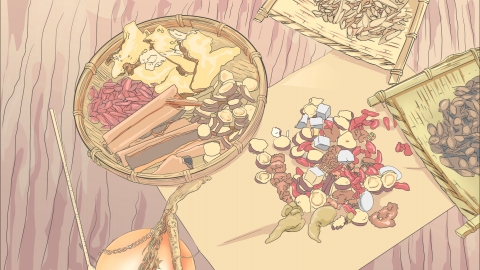
Heishunpian is a processed product of Fuzi (processed lateral root of Aconitum carmichaelii) in traditional Chinese medicine, obtained through specific processing methods. If the toxic components have been properly removed according to standard procedures during processing, or if the prescription explicitly indicates that Heishunpian can be used without further processing, then it can be directly used in medicinal formulations. Typically, Heishunpian is employed for functions such as warming yang to dispel cold, and restoring yang to rescue from collapse, and is suitable for conditions such as yang deficiency syndrome and cold-damp syndrome.
Although Heishunpian can be directly administered medicinally, unprocessed Heishunpian may contain high levels of toxic components. Therefore, it is crucial to ensure that the Heishunpian used has undergone appropriate processing to reduce its toxicity. When using Heishunpian, it is essential to strictly follow medical instructions regarding dosage, duration of treatment, and potential compatibility contraindications. Particular caution should be exercised when patients suffer from renal insufficiency, liver disease, or other chronic illnesses, to avoid increasing the body's burden or triggering adverse reactions.
During the course of treatment, close attention should be paid to bodily reactions, and medical attention should be sought promptly if any discomfort occurs.


