


Can patients with renal insufficiency take Heishunpian (Black顺片)?

Generally, patients with renal insufficiency can take Heishunpian (Black Prepared Slices of Aconite Root), but its use must be guided by a physician and determined based on the individual patient's specific condition. Detailed analysis is as follows:
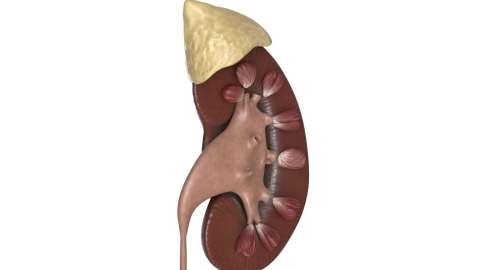
As a traditional Chinese medicinal herb, Heishunpian has functions including warming the kidneys to support yang energy, regulating menstruation, and relieving pain. Appropriate use may help improve symptoms of lumbago and weak knees caused by kidney deficiency (lumbago and weak knees). For patients with mild to moderate renal insufficiency who, according to TCM syndrome differentiation, are identified as having a yang deficiency constitution and do not present significant risk of worsening kidney function, Heishunpian may be used in appropriate amounts under strict supervision and guidance from a TCM practitioner.
However, if a patient's renal insufficiency is severe or in an unstable condition, taking Heishunpian might increase the burden on the kidneys and be detrimental to disease control and treatment. Additionally, if the patient has a history of allergy to Heishunpian or any of its components, administration should be approached with caution to avoid allergic reactions. Therefore, patients with renal insufficiency must strictly follow medical advice when taking Heishunpian and should not adjust the dosage or change the method of administration on their own.
In daily diet, patients with renal insufficiency should also focus on low-salt and low-fat intake with high-quality protein, and avoid consuming foods that may加重 the burden on the kidneys.


