


Can cinnamon neutralize the toxicity of Black Prepared Slices (Hei Shun Pian)?

Generally speaking, cinnamon cannot counteract the toxicity of processed Aconiti Lateralis Radix (Hei Shun Pian). The detailed explanation is as follows:
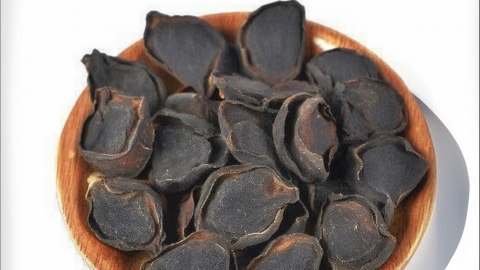
Hei Shun Pian typically refers to the processed form of Aconiti Lateralis Radix, which is strongly hot in nature and toxic. Symptoms of poisoning may include nervous system excitation, palpitations, arrhythmia, and others. Cinnamon, on the other hand, functions to warm the middle jiao, dispel cold, regulate qi, relieve pain, and promote circulation of qi in the meridians. It is primarily used to treat symptoms such as cold abdominal pain, vomiting and diarrhea, soreness and coldness in the lower back and knees, and cold-type hernia with abdominal pain. However, cinnamon does not have a direct detoxifying effect on the alkaloid toxins contained in Hei Shun Pian.
When using Hei Shun Pian, it is important to follow medical advice, strictly control the dosage, and seek immediate medical attention if any discomfort occurs. Moreover, attempting to use cinnamon arbitrarily without guidance from a qualified TCM practitioner to counteract toxicity may lead to other adverse reactions, such as excessive internal heat, dry mouth, and thirst, due to improper dosage or individual body constitution incompatibility. It is recommended to develop a suitable treatment plan under the guidance of a TCM physician according to individual constitution and condition to ensure the safe and effective use of Chinese herbal medicine.
While taking Chinese herbal medicine, it is advised to avoid consuming raw, cold, greasy, or spicy foods, such as sushi, fried foods, chili peppers, etc., to prevent interference with the medicinal effects.


