


Is it safe to consume Dendrobium (Shihu) together with Cornus officinalis (Shanzhuyu)?
Apr 14, 2025
Source: Cainiu Health

Dr. Zhang Xiuhong
Introduction
Dendrobium (Shihu) enters the stomach and kidney meridians, possessing functions of benefiting the stomach and promoting the production of body fluids, as well as nourishing yin and clearing heat. It can be used to treat symptoms such as injury of body fluids due to febrile diseases and dry mouth with irritability and thirst. Cornus officinalis (Shanzhuyu), on the other hand, has effects of nourishing the liver and kidney and astringing essence to relieve symptoms. It is primarily used to treat yin deficiency of the liver and kidney, vertigo, tinnitus, soreness and pain in the waist and knees, seminal emission, spermatorrhea, tidal fever with bone steaming sensations, and other related symptoms. When Dendrobium and Cornus officinalis are used together, their combined effect enhances the nourishment of yin and the function of the kidneys.
Generally, Dendrobium (Shihu) can be taken with Cornus officinalis (Shanzhuyu) following medical advice.
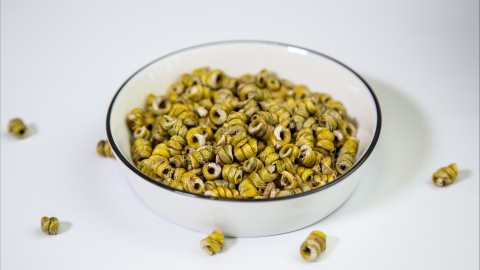
Dendrobium enters the stomach and kidney meridians and has functions of benefiting the stomach and promoting body fluid production, as well as nourishing yin and clearing heat. It can be used to treat symptoms such as body fluid damage due to febrile diseases, dry mouth, irritability, and thirst. On the other hand, Cornus officinalis can nourish the liver and kidney and has an astringent effect, primarily used for treating conditions like liver and kidney yin deficiency, dizziness, tinnitus, soreness and weakness in the lower back and knees, premature ejaculation, spermatorrhea, tidal fever due to bone steaming (a symptom of yin deficiency). Combining Dendrobium with Cornus officinalis can enhance the effect of nourishing yin and benefiting the kidney, potentially having a positive impact on alleviating related symptoms.
However, individuals with specific medical conditions or sensitive constitutions, such as pregnant women, lactating women, and those with impaired liver or kidney function, should use these two Chinese herbs cautiously under the guidance of a physician. Individuals suffering from damp-heat conditions, difficult or painful urination, or excessive stomach acid should also use them cautiously or avoid consumption altogether.
In daily life, maintaining healthy eating habits and engaging in moderate physical activity can help improve overall health.






