


Is Polygonatum (Huang Jing) the same as prepared Rehmannia (Shu Di Huang)?

Polygonatum is not processed rehmannia, and the two are different traditional Chinese medicinal materials; it is important to follow medical advice for their proper use.
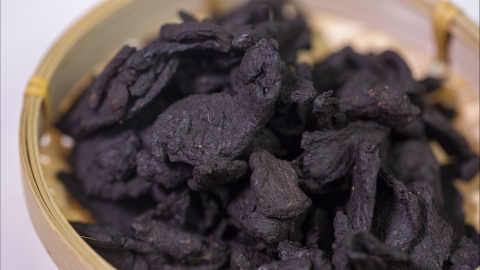
Polygonatum is a perennial herb belonging to the genus Polygonatum of the Liliaceae family, while processed rehmannia is a processed product of rehmannia. Polygonatum comes from the dried rhizomes of the plant Polygonatum sibiricum; processed rehmannia comes from the roots of the Scrophulariaceae plant Rehmannia glutinosa, which are steamed and cooked until black and glossy inside and out, becoming soft in texture. Polygonatum is not processed rehmannia—these are two distinct traditional Chinese medicines.
Polygonatum has functions of nourishing Qi and yin, strengthening the spleen, moistening the lungs, and benefiting the kidneys to enrich essence. It is used to treat symptoms such as weakness of the spleen and stomach, lung deficiency with dry cough, and kidney deficiency with depletion of essence. Processed rehmannia has functions of nourishing yin and blood, and enriching essence and marrow. It is commonly used to treat conditions such as dizziness, premature graying of hair, blood deficiency with sallow complexion, irregular menstruation, night sweats, seminal emission, and deficiency of both blood and essence. When using either Polygonatum or processed rehmannia, administration should be conducted under the guidance of a physician to ensure safety and efficacy.
During the period of taking medication, attention should be paid to dietary regulation, avoiding the consumption of raw, cold, greasy, spicy, and other irritating foods.


