


Is Rehmannia glutinosa (Shu Di Huang) hot or cold in nature?

Rehmannia glutinosa (Shu Di Huang) is typically neither hot nor cold in nature, but rather warm.
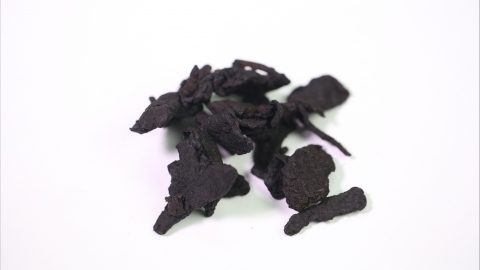
Rehmannia glutinosa is a commonly used tonic herb in traditional Chinese medicine, derived from the dried roots of the Rehmannia glutinosa plant from the Scrophulariaceae family, which have been processed and prepared. Its main functions include nourishing yin and tonifying the kidneys, enriching blood and replenishing essence, and promoting marrow production and body fluid generation. It is commonly used to treat symptoms such as kidney yin deficiency, weakness and soreness of the lower back and knees, dizziness, tinnitus, nocturnal emission, night sweats, and irregular menstruation. Rehmannia glutinosa has a sweet taste and warm nature; according to traditional Chinese medicine theory, it can both nourish blood and yin and replenish essence and marrow.
Rehmannia glutinosa is a warming tonic herb, suitable for nourishing the body, but attention should be paid to its greasy nature when using it. Patients with weak spleen and stomach or symptoms of dampness retention should use it cautiously to avoid exacerbating their conditions. Women during menstruation should use Rehmannia glutinosa under the guidance of a qualified physician to avoid unnecessary side effects. When decocting Rehmannia glutinosa, the use of copper or iron pots should be avoided, as active ingredients in Rehmannia may react with copper or iron, reducing its therapeutic effectiveness or producing substances harmful to the human body.
During the consumption of Rehmannia glutinosa, one should avoid eating foods such as radish, scallion whites, garlic chives, and薤white (Allium species), as these foods may reduce the tonic effects of Rehmannia glutinosa.


