


Are Fuzi and Heishunpian the same thing?
Apr 14, 2025
Source: Cainiu Health

Dr. Zhang Xiuhong
Introduction
Under normal circumstances, Fuzi and Heishunpian are not the same, although they are related. Heishunpian is actually a processed product of Fuzi. Fuzi comes from the dried mother root of the Aconitum plant in the Ranunculaceae family and is highly toxic in its raw form. Heishunpian, on the other hand, is a processed form of Fuzi, with reduced toxicity while retaining its fundamental therapeutic effects.
Generally speaking, Fuzi (Aconiti Lateralis Radix Praeparata) and Heishunpian (Black Prepared Slices of Aconiti Lateralis Radix) are not the same, although they are related. A detailed explanation is as follows:
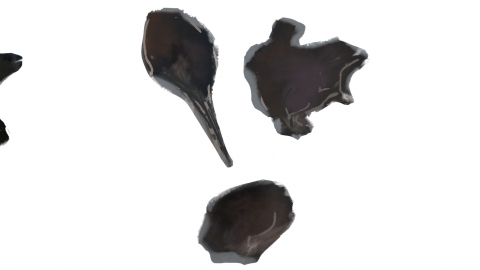
Heishunpian is actually a processed product made from Fuzi. Fuzi is derived from the dried mother root of the Aconitum plant (Ranunculaceae family) and is effective in treating conditions such as collapse due to deficiency, edema, and cholera. However, it is highly toxic in its raw form. Heishunpian, on the other hand, is a processed form of Fuzi. While retaining the fundamental therapeutic effects of Fuzi, its toxicity is relatively reduced. It is commonly used to treat symptoms such as yang deficiency collapse, cold limbs, weak pulse, and insufficient heart yang.
Fuzi has a high level of toxicity and must be strictly administered according to medical instructions, with attention paid to the method of decoction, in order to reduce its toxicity while preserving its therapeutic effects. Although Heishunpian has relatively lower toxicity, it still needs to be used under the guidance of a physician to fully exert its medicinal effects and avoid potential risks. Patients should not increase the dosage on their own, to prevent poisoning.
When using either of these medicinal materials, it is essential to strictly follow medical instructions and avoid self-medicating in order to ensure both efficacy and safety.


