


Can patients with urticaria drink Cornus officinalis (Shanzhuyu)?

Urticaria patients can generally consume Cornus officinalis (Shanzhuyu) if their condition is stable and their constitution is suitable. However, if patients are allergic to Cornus officinalis or have a special constitution, they usually should not consume it. If any discomfort occurs, it is advisable to seek medical attention at a hospital promptly and follow the doctor's instructions for appropriate management.
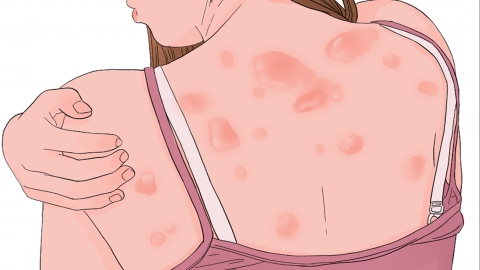
In traditional Chinese medicine theory, treating urticaria involves using herbs according to the specific pattern of disharmony presented by the patient. Some herbal formulas used to treat urticaria include Cornus officinalis. For example, a formula containing Angelica sinensis (Danggui), Bombyx batryticatus (Jiangcan), Cornus officinalis (Shanzhuyu), Tribulus terrestris (Cili), and Astragalus membranaceus (Huangqi) is primarily used to treat urticaria caused by deficiency of qi and blood. Within these formulas, Cornus officinalis may exert its intended therapeutic effects, helping patients improve their condition. In such cases, patients can generally consume Cornus officinalis.
However, if patients are allergic to Cornus officinalis or any of its components, they should not consume it, as it may worsen urticaria symptoms or even trigger more severe allergic reactions. Patients with a heat-prone constitution or those whose urticaria is caused by heat pathogens should avoid Cornus officinalis, as its warming properties might exacerbate internal heat toxicity. If urticaria is caused by specific foods, medications, or other identifiable factors unrelated to Cornus officinalis, simply consuming Cornus officinalis may have no direct therapeutic effect on the urticaria and could potentially delay appropriate treatment due to improper medication use.
Urticaria patients should actively identify and avoid allergens, while maintaining healthy lifestyle habits and a positive mindset, which can aid in their recovery.


