


Can Shanzhuyu (Cornus officinalis) be used to apply on the feet for phlegm-dampness?

Phlegm-dampness generally should not be treated with Cornus officinalis (Shanzhuyu) foot compresses. It is recommended to use medications under the guidance of a physician. If discomfort symptoms occur, it is advisable to seek medical attention at a hospital promptly and follow the doctor's instructions for treatment.
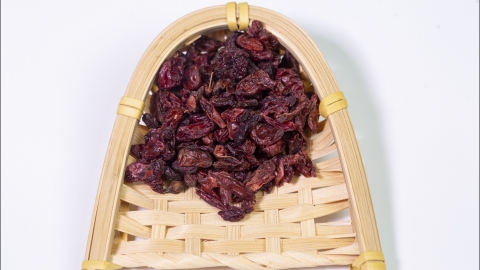
Cornus officinalis is a warming and drying type of traditional Chinese herb that inherently has an astringent effect. Phlegm-dampness refers to a pathological condition caused by dysfunction of internal organs leading to abnormal metabolism of body fluids. Individuals with phlegm-dampness constitution have excessive dampness in their bodies and require methods to expel dampness for treatment. The warming and drying nature of Cornus officinalis and its astringent effect may interfere with dampness removal. Long-term or excessive use could potentially worsen dampness accumulation, thereby exacerbating symptoms of phlegm-dampness. Therefore, using Cornus officinalis for foot compresses is not recommended.
For individuals allergic to Cornus officinalis or its components, using it in foot compresses will not achieve the desired effect and may cause allergic reactions such as skin redness, swelling, and itching. Utilizing Cornus officinalis foot compresses to regulate a phlegm-dampness constitution should be based on pattern differentiation and treatment principles. It is recommended to proceed under the guidance of a professional TCM practitioner, incorporating individual constitution and specific condition to appropriately select herbs and treatment methods, ensuring safety and effectiveness.
It is also recommended to adjust dietary habits, avoiding spicy and irritating foods such as chili peppers and hot pots. One may choose to consume foods with spleen-strengthening and dampness-resolving properties, such as luffa, bitter gourd, and winter melon. Additionally, engaging in moderate physical activities like jogging or brisk walking can help expel dampness from the body.


