


Can I drink Cornus officinalis (Shanzhuyu) for the condition of upper heat and lower cold?

Shanzhuyu (Cornus officinalis) is usually suitable for cases of upper heat and lower cold caused by deficiency of the liver and kidney. If the condition is caused by other factors, Shanzhuyu is generally not recommended. If physical discomfort occurs, it is advisable to seek medical attention at a hospital as soon as possible and follow the instructions of a physician for appropriate management.
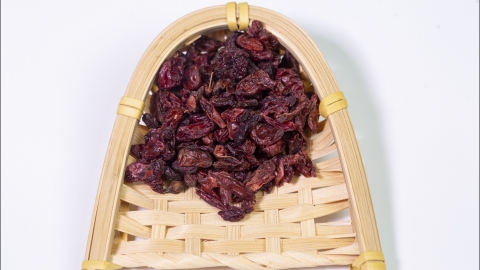
Upper heat and lower cold is a body constitution state described in traditional Chinese medicine (TCM) diagnosis, referring to a condition where heat signs appear in the upper jiao (upper body region) while cold signs manifest in the lower jiao (lower body region). In TCM, Shanzhuyu is believed to nourish the liver and kidney, consolidate essence, reduce urination, and stop perspiration. When patients with upper heat and lower cold mainly exhibit symptoms of kidney yang deficiency, such as soreness and weakness of the lower back and knees, bedwetting, or frequent nighttime urination, the kidney-warming effects of Shanzhuyu may help alleviate the cold symptoms in the lower part of the body.
If the upper heat and lower cold symptoms are primarily due to disharmony between yin and yang with prominent heat signs, using Shanzhuyu alone may not sufficiently rebalance yin and yang. Although Shanzhuyu can nourish the liver and kidney, its slightly warm nature might exacerbate the heat signs in the upper body. Shanzhuyu is also not suitable for patients with excess pathogenic factors or damp-heat syndromes, as its astringent properties may hinder the elimination of pathogenic influences.
In addition to pharmacological treatment, patients should also focus on lifestyle adjustments, such as maintaining a light diet, ensuring emotional well-being, getting appropriate rest, and engaging in moderate exercise, to support medical treatment and promote recovery.


