


Can licorice root detoxify the black processed aconite root?

Glycyrrhiza (licorice) can generally counteract the toxicity of black processed aconite root (Heishunpian), but its suitability depends on the specific medical condition and dosage used.
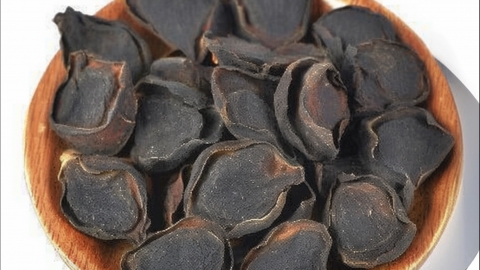
Glycyrrhiza possesses properties that harmonize medicinal effects and detoxify the body, often used to alleviate toxic side effects of certain medications. Black processed aconite root is a processed form of aconite, whose toxicity is somewhat reduced after processing, but it may still impose a burden on the body. Glycyrrhiza can mitigate the toxic reactions of black processed aconite root through its unique components, thus protecting bodily functions. However, if the dosage of black processed aconite root is excessively high or the individual is particularly sensitive, glycyrrhiza alone may not fully eliminate the risk of toxicity.
Patients with severe hepatic or renal insufficiency or those allergic to glycyrrhiza itself should not rely on licorice for detoxification. Glycyrrhiza has a warm nature, and prolonged or excessive use may cause edema or elevated blood pressure, thereby increasing the body's burden.
In practical applications, its use must be guided by a qualified TCM practitioner; self-administration without medical supervision is not advisable.


