


Can I add cooked rehmannia (Shu Di Huang) when stewing white pigeons?

When stewing pigeons, it is common to add prepared rehmannia root (Shu Di Huang), but it should be consumed in moderation.
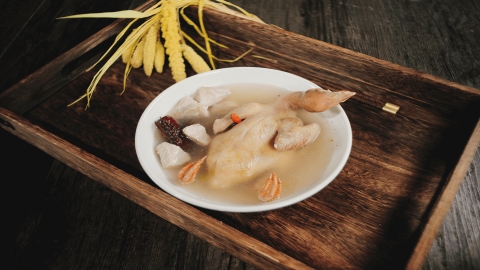
Prepared rehmannia root has a sweet and warm nature and is used to nourish the blood and yin, enrich essence, and replenish the marrow. It is suitable for individuals experiencing symptoms such as dizziness, tinnitus, soreness and weakness in the waist and knees caused by blood deficiency or kidney deficiency. For those with a cold constitution and blood deficiency, adding prepared rehmannia root while stewing pigeons can provide effective nourishment. During post-surgery recovery or convalescence from illness, when the body may be in a weakened state, moderate use of prepared rehmannia root can aid in quicker recovery.
Pigeon meat, according to traditional Chinese medicine, has the effects of nourishing yin and strengthening yang, enriching the blood and vital energy, and clearing heat and detoxifying. Prepared rehmannia root, as a medicinal herb, complements pigeon soup by enhancing its blood-nourishing and yin-enriching effects. Pigeon meat is neutral in nature, so when combined with prepared rehmannia root, it does not easily cause internal heat, making it suitable for long-term conditioning in cases of chronic physical depletion. Therefore, adding prepared rehmannia root to pigeon stew is a nourishing combination. It is important to note, however, that while medicinal diets offer certain health benefits, their therapeutic effects are limited and they cannot replace medications for treating diseases.
It is recommended to use prepared rehmannia root under the guidance of a TCM practitioner based on individual body constitution and syndrome differentiation, avoiding blind supplementation.


