


The difference between White Fuzi slices and Black Fuzi slices

The differences between Baishun Pian (white processed Aconite root slices) and Heishun Pian (black processed Aconite root slices) generally include differences in processing methods, appearance, odor and taste, functional emphasis, and clinical applications.
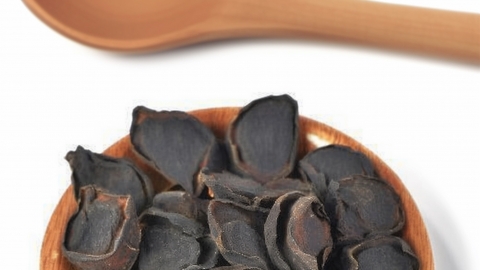
1. Different processing methods: Heishun Pian is produced by soaking Aconite in brine for several days, followed by slicing, steaming, boiling, and other processes, and finally dyed into a dark tea color with a coloring solution. Baishun Pian is made by removing the skin of Aconite, longitudinally slicing it into thin slices, without dyeing, then directly washing it clean with water and steaming it.
2. Different appearance: Heishun Pian are longitudinal slices, mostly irregularly round or oval in shape, about 2–3 mm thick, dark brown or blackish brown in color, and lustrous. Baishun Pian are also longitudinal slices, more regularly shaped, mostly round-like, thin slices, usually 1–2 mm thick, yellowish white or light brownish in color, and semi-transparent.
3. Differences in odor and taste: Due to multiple processing steps and dyeing, Heishun Pian have a relatively mild odor and taste slightly numbing to the tongue. Baishun Pian have a stronger odor, characteristic of Aconite, with a relatively stronger numbing sensation on the tongue, because they are not soaked and washed for a long time, thus retaining more active and irritating components.
4. Different functional emphasis: Both have the functions of restoring yang to rescue from collapse, supplementing fire to assist yang, and dispersing cold to relieve pain. However, after processing and dyeing, Heishun Pian have a relatively milder medicinal property and are more focused on warming yang and dispersing cold. They are commonly used to treat deficiency-cold syndromes such as cold pain in the limbs caused by yang deficiency and cold stagnation. Baishun Pian are not dyed and have relatively higher content of active ingredients. Their effects of restoring yang to rescue from collapse and dispersing cold to relieve pain are stronger. They are often used for acute and severe conditions with excessive cold pathogenic factors, such as loss of yang syndrome.
5. Different clinical applications: Clinically, Heishun Pian are commonly used for regulating chronic diseases, such as chronic diarrhea caused by spleen-kidney yang deficiency and infertility caused by cold uterus, and can be combined with other medicines to exert effects of warming yang and strengthening the body's resistance. Baishun Pian are more commonly used in emergency treatment of critical conditions, such as yang deficiency collapse symptoms appearing in shock, heart failure, etc., and are often combined with herbs such as dried ginger and ginseng to rapidly restore yang and rescue from collapse.
Whether using Baishun Pian or Heishun Pian, strict adherence to medical instructions is necessary. Dosage should not be adjusted or taken long-term on one's own to avoid poisoning. In clinical practice of TCM, physicians will select appropriate processed products according to the patient's specific condition and combine them with other herbs to achieve optimal therapeutic effects.


