


Who should not eat shepherd's purse (Capsella bursa-pastoris)?

Shepherd's purse is not suitable for everyone. It is generally not recommended for individuals with cold-deficient body constitution, weak gastrointestinal function, allergic constitutions, pregnant women, or those with impaired kidney function. If in doubt, it is advisable to consult a medical professional in advance. Detailed explanations are as follows:
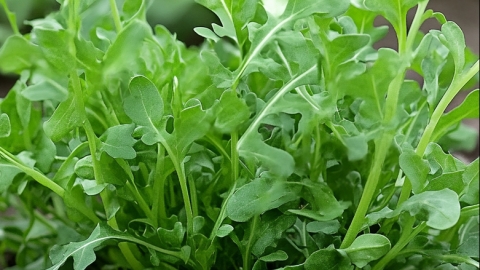
1. Individuals with cold-deficient body constitution: Shepherd's purse is relatively cool in nature and has the effect of clearing heat and detoxifying. However, for those with cold-deficient constitution, consuming it may exacerbate internal coldness, leading to symptoms such as diarrhea, abdominal pain, and potentially affecting overall health.
2. Individuals with weak gastrointestinal function: Shepherd's purse contains a significant amount of dietary fiber, which can help promote intestinal motility. However, for those with weak gastrointestinal function, it may increase digestive burden, causing bloating or discomfort.
3. Individuals with allergic constitution: Some people may be sensitive to certain components in shepherd's purse. Consumption may easily lead to symptoms such as skin itching, swelling, or other allergic reactions, so this group should especially avoid consumption.
4. Pregnant women: Shepherd's purse contains certain amounts of alkaloids, which may stimulate uterine contractions and increase the risk of miscarriage. Extra caution is needed, especially during early pregnancy, to avoid adverse effects on fetal and maternal health.
5. Individuals with impaired kidney function: Shepherd's purse has a relatively high oxalic acid content. Oxalic acid can easily bind with calcium in the body to form calcium oxalate crystals, increasing the burden on the kidneys. Therefore, individuals with kidney dysfunction should avoid consumption to prevent worsening of their condition.
When consuming shepherd's purse, one should pay attention to their own body constitution and health status, choose appropriate cooking methods, and consult a healthcare professional if unsure whether it is suitable for consumption, to ensure dietary safety.


