


What causes snake bile疮 (herpes zoster), and is it contagious?

Generally speaking, snake gallbladder sore refers to herpes zoster (shingles). Herpes zoster may be caused by excessive fatigue, mental stress, common cold, diabetes, acquired immunodeficiency syndrome (AIDS), and other factors. Herpes zoster is somewhat contagious. If discomfort occurs, timely medical attention is recommended. Detailed analysis is as follows:
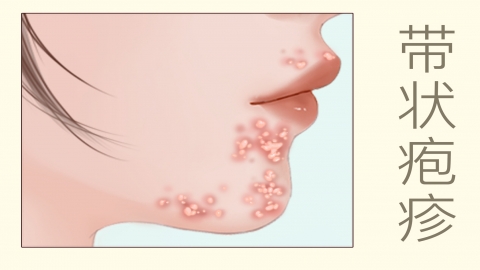
I. Causes of Herpes Zoster
1. Excessive Fatigue
When the body experiences excessive fatigue, the immune system function declines. At this time, the body's ability to resist viruses weakens, and the dormant varicella-zoster virus is more likely to be activated, thus causing herpes zoster. It is important to arrange work and life reasonably, ensure sufficient rest, avoid prolonged continuous work or high-intensity physical activity, and guarantee 7-8 hours of sleep daily.
2. Excessive Mental Stress
Long-term mental tension, anxiety, depression, and other adverse psychological states may lead to neuroendocrine system disorders, affecting the normal function of the immune system. This reduces the body's ability to monitor and eliminate viruses, thereby creating conditions for the activation of the varicella-zoster virus. It is recommended to learn to adjust one's mindset, relieve mental stress through exercise, listening to music, communicating with friends, and maintain a pleasant mood.
3. Common Cold
A common cold is usually caused by viral or bacterial infections. After infection, the immune system focuses on fighting the cold pathogens, which may somewhat affect overall immune function. At this time, the varicella-zoster virus may become active, causing herpes zoster. Symptoms such as fever and headache may also occur. Treatment may include medications like Lan Qin Oral Liquid, Compound Paracetamol and Amantadine Capsules, Shuang Huang Lian Oral Liquid, as directed by a physician.
4. Diabetes
Patients with diabetes may experience nerve and vascular damage due to long-term poor blood sugar control, which affects the normal function of the immune system. This weakens the body's resistance to viruses, making it easier to contract various pathogens, including the varicella-zoster virus, leading to herpes zoster. Symptoms such as increased appetite and weight loss may also accompany this condition. Treatment may include medications like Metformin Hydrochloride Tablets, Voglibose Tablets, Acarbose Tablets, as directed by a physician.
5. Acquired Immunodeficiency Syndrome (AIDS)
Acquired immunodeficiency syndrome is caused by human immunodeficiency virus (HIV) infection. HIV primarily attacks CD4+ T lymphocytes in the human immune system, leading to severe damage and a significant decline in immune function. Patients are highly susceptible to various pathogens, and the likelihood of varicella-zoster virus infection causing herpes zoster is significantly increased. Symptoms such as night sweats and diarrhea may also occur. Treatment may include medications like Efavirenz Tablets, Lopinavir and Ritonavir Tablets, Zidovudine Tablets, as recommended by a physician.
II. Is Herpes Zoster Contagious?
Herpes zoster is somewhat contagious. Herpes zoster is an acute infectious skin disease caused by the varicella-zoster virus. After the initial infection in the body, it may manifest as chickenpox or a subclinical infection. The virus remains dormant long-term in the dorsal root ganglia of the spinal cord or sensory ganglia of cranial nerves. Under certain triggers, such as fatigue, trauma, or post-illness weakness leading to decreased immunity, the dormant virus becomes activated, travels down the sensory nerve axons to the skin area innervated by that nerve, replicates, and produces blisters. The affected nerve also undergoes inflammation and necrosis, causing nerve pain.
The blister fluid of herpes zoster patients contains a large amount of varicella-zoster virus, which can be transmitted to individuals who have never had chickenpox or been vaccinated against it through direct or indirect contact with the blister fluid, potentially causing herpes zoster. For individuals with weakened immune systems, even those who have previously had chickenpox may contract the virus and develop herpes zoster.
In daily life, maintaining a regular lifestyle and engaging in appropriate physical exercise can enhance immunity and reduce the risk of virus activation. At the same time, patients with herpes zoster should maintain skin cleanliness, avoid scratching blisters to prevent blister fluid from coming into contact with others, and尽量avoid close contact with people who have not had chickenpox or have weakened immune systems.


