


Why Are People with Short Tempers More Prone to Developing Coronary Heart Disease?

Coronary heart disease, also known as coronary atherosclerotic heart disease, is generally caused by emotional fluctuations in people prone to anger, leading to elevated blood pressure, increased heart rate, blood vessel constriction, heightened inflammatory responses, and abnormal blood lipids, thus making them susceptible to coronary atherosclerotic heart disease. If any abnormalities occur, timely medical consultation is recommended. Detailed analysis is as follows:
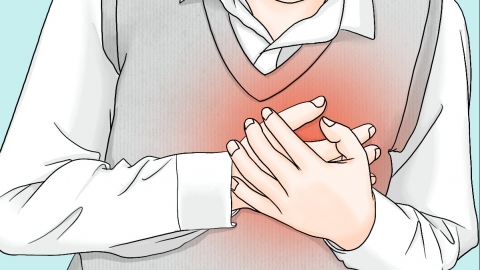
1. Elevated blood pressure: When emotionally agitated, the sympathetic nervous system is activated, causing a rapid rise in blood pressure. Long-term recurrent hypertension can damage blood vessel walls and increase the risk of coronary atherosclerotic heart disease.
2. Increased heart rate: Anger加重心脏负担 and accelerates heart rate, increasing the heart's oxygen consumption, which may lead to myocardial ischemia and subsequently trigger coronary atherosclerotic heart disease.
3. Vasoconstriction: Angry emotions stimulate increased secretion of catecholamines in the body, leading to blood vessel constriction, increased blood flow resistance, thereby affecting cardiac blood supply, and increasing the likelihood of cardiovascular diseases.
4. Increased inflammatory response: Long-term emotional instability may trigger chronic inflammatory responses in the body. Inflammation is one of the key inducements of atherosclerosis, further promoting the development of coronary atherosclerotic heart disease.
5. Dyslipidemia: Emotional fluctuations can affect lipid metabolism, raising cholesterol and triglyceride levels in the blood. These substances easily deposit on blood vessel walls, forming atherosclerotic plaques.
To reduce the risk of coronary atherosclerotic heart disease, it is recommended to learn to control emotions and avoid excessive anger or anxiety. Stress can be relieved through deep breathing, meditation, exercise, and other methods.


