Why does local infection cause the cervix not to heal, and what should be done?
Apr 27, 2025
Source: Cainiu Health

Dr. Zhang Lu
Introduction
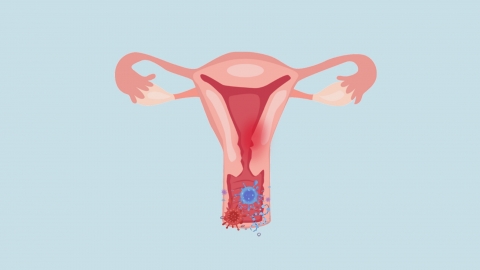
In general, local infections causing cervical non-healing may be caused by hormonal fluctuations, physiological changes during pregnancy and postpartum, vulvitis, cervicitis, endometritis, and other factors. It is recommended to seek timely medical attention and follow the doctor's guidance for treatments such as general care and medication. In daily life, maintaining cleanliness and dryness of the vulva and regularly changing underwear are advised.
In general, local infections leading to delayed cervical healing may be caused by hormonal fluctuations, physiological changes during pregnancy and postpartum period, vulvitis, cervicitis, endometritis, and other factors. It is recommended to seek timely medical advice and receive treatments such as general supportive care and medication under a physician's guidance. A detailed explanation is as follows:
1. Hormonal fluctuations
Hormone levels in the female body, especially estrogen and progesterone, play a crucial role in the repair and regeneration of cervical tissues. During the menstrual cycle, fluctuations in hormone levels can affect the metabolism and proliferation of cervical epithelial cells, leading to delayed wound healing. Maintaining a regular sleep schedule and avoiding staying up late can help reduce hormonal fluctuations.
2. Physiological changes during pregnancy
During pregnancy, a series of physiological changes occur in a woman's body, including alterations in the cervix. Hormone levels significantly increase during pregnancy, causing the cervix to soften, elongate, and develop more blood vessels. If a local infection is present at this time, the cervix, already in a unique physiological state, may experience impaired self-repair capacity, resulting in delayed healing. Regular prenatal checkups are necessary to closely monitor cervical conditions. Maintaining good personal hygiene and keeping the vulva clean can help prevent ascending infections.
3. Vulvitis
Vulvitis is often caused by poor local hygiene in the vulvar area, such as contamination from urine or feces, or wearing tight, non-breathable underwear. Long-standing inflammation can spread to the cervix, affecting the local microenvironment of the cervix and hindering healing. Patients often experience symptoms such as vulvar itching and pain. Treatment options include the use of medications such as compound Sophora root wash, clotrimazole cream, and metronidazole gel, as directed by a physician.
4. Cervicitis
Cervicitis is usually caused by pathogenic infections of the cervix, such as Chlamydia trachomatis or Neisseria gonorrhoeae, which trigger inflammation. The inflammation causes congestion and edema of cervical tissues, impairing blood circulation and delaying cervical healing. Symptoms may include increased vaginal discharge and postcoital bleeding. Patients can follow medical advice to use medications such as Baofukang suppository, cefixime dispersible tablets, Zhidai Xiaomi suppository, and others.
5. Endometritis
Endometritis is commonly caused by poor hygiene during menstruation, or infections following miscarriage or childbirth. Inflammatory exudates from endometritis can ascend through the fallopian tubes into the pelvic cavity, involving the cervix and impairing cervical healing. This condition is often accompanied by symptoms such as lower abdominal pain and fever. Patients may use medications such as ceftriaxone sodium for injection, metronidazole tablets, and clindamycin hydrochloride capsules as advised by a physician.
In daily life, it is important to keep the vulva clean and dry, change underwear regularly, and avoid bacterial proliferation. Additionally, avoid using harsh cleansing products that may disrupt the natural balance of vaginal flora.