


Can patients with chronic gastritis eat tamarind?
Apr 29, 2025
Source: Cainiu Health

Dr. Shen Yonghua
Introduction
Under normal circumstances, patients with chronic gastritis are not advised to consume tamarind. Tamarind contains abundant organic acids such as citric acid and malic acid, as well as calcium, phosphorus, iron, sodium, and potassium. It has a sweet and sour taste. Moderate consumption can increase the secretion of saliva and gastric juice, thus stimulating appetite and aiding digestion. However, eating tamarind may cause excessive secretion of gastric acid, potentially leading to gastrointestinal discomfort such as acid reflux.
Generally, patients with chronic gastritis are not advised to consume tamarind. The detailed explanation is as follows:
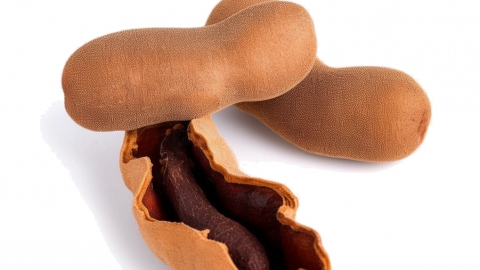
Tamarind contains abundant organic acids such as citric acid and malic acid, as well as calcium, phosphorus, iron, sodium, and potassium. It has a sweet and sour taste. Moderate consumption can increase saliva and gastric juice secretion, thus stimulating appetite and aiding digestion. However, eating tamarind may cause excessive secretion of gastric acid, potentially leading to gastrointestinal discomfort such as acid reflux.
The gastric mucosa of patients with chronic gastritis has been inflamed for a long time and is relatively fragile and easily irritated. Consuming irritant foods like tamarind might worsen gastrointestinal discomfort symptoms such as abdominal pain and heartburn, which is not conducive to disease recovery. The organic acids in tamarind may irritate the gastric mucosa, leading to worsening of the inflammation, and could even cause complications such as gastric ulcers. Tamarind also has a high sugar content; patients suffering from both diabetes and chronic gastritis may experience blood sugar fluctuations after consumption, which is unfavorable for disease management.
If gastrointestinal discomfort symptoms occur after accidental consumption, it is recommended to seek medical attention promptly and receive treatment under the guidance of a physician. At the same time, patients with chronic gastritis should maintain a bland and easily digestible diet in daily life, avoiding the intake of irritating foods such as spicy, greasy, raw, or cold foods, in order to reduce the burden on the gastric mucosa and promote recovery.




