


Can you still eat sweet potatoes after they sprout?

If a sweet potato sprouts but shows no signs of spoilage, rotting, or other abnormalities, it is generally still safe to eat. However, if the sweet potato sprouts and also shows signs of deterioration or an unusual odor, it typically should not be consumed. If any discomfort occurs, it is advisable to seek medical attention promptly.
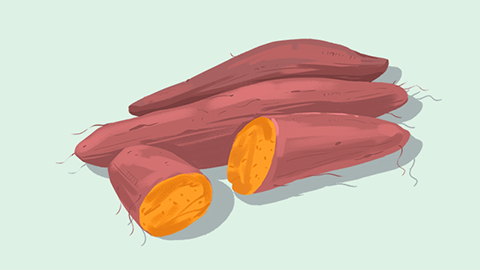
If the sweet potato has only sprouted slightly on the surface, and its texture remains firm without signs of mold, softening, or unpleasant odors, then it is still safe to consume the remaining portion after removing the sprouted eyes and affected areas. This is because harmful substances such as solanine, which occur inside potatoes, do not form inside sweet potatoes.
If a sweet potato sprouts and simultaneously shows signs of mold or rotting, it should no longer be eaten. Moldy or rotten sweet potatoes may produce toxic substances such as aflatoxins, which are harmful to human health and could even lead to food poisoning. Therefore, any sweet potatoes showing signs of spoilage should be discarded immediately.
When purchasing and storing sweet potatoes, it is recommended to choose fresh, undamaged ones and store them in a dry, well-ventilated, and cool place to prolong their shelf life.


