


How to treat pain in the hypothenar eminence

Generally, the hypothenar eminence is located on the inner side of the palm. Pain in the hypothenar area may be related to factors such as muscle strain, trauma, local infection, cervical spondylosis, and ulnar neuritis. It is important to identify the underlying cause and implement timely interventions such as general care, medication, or physical therapy to alleviate symptoms. If discomfort persists, prompt medical attention is recommended. Detailed explanations are as follows:
1. Muscle Strain
Excessive use of the hypothenar muscles, such as prolonged typing, mouse usage, or playing badminton, may cause pain in this area, accompanied by symptoms like muscle stiffness and soreness. This can be relieved through appropriate warm compresses or massage, which work by increasing skin surface temperature and promoting blood circulation.
2. Trauma
Injuries to the hypothenar region, such as impact or crush injuries, can damage soft tissues and cause pain, potentially accompanied by swelling and bruising. Further injury should be avoided, and local immobilization using bandages or splints is recommended.
3. Local Infection
Skin damage and subsequent inflammation in the hypothenar area may lead to purulent reactions and localized pain, often accompanied by swelling and tenderness. It is advised to follow medical instructions for treatment with medications such as cefixime dispersible tablets, amoxicillin capsules, or clarithromycin dispersible tablets.
4. Cervical Spondylosis
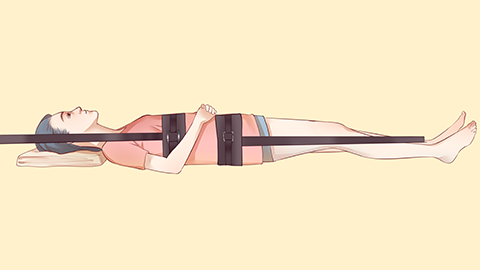
Cervical spondylosis is commonly associated with poor posture and excessive fatigue. As the condition worsens, nerve involvement in the cervical spine may occur, causing pain to radiate to the hypothenar region, potentially accompanied by neck stiffness and headache. Traction therapy under a doctor's guidance can help relieve nerve compression by stretching the cervical spine.
5. Ulnar Neuritis
Ulnar neuritis is often related to hereditary factors, infections, or fractures. As the condition progresses, nerve ischemia and edema may develop, leading to pain, often accompanied by hand numbness and weakness. It is recommended to follow medical advice for treatment with medications such as mecobalamin tablets, diclofenac sodium sustained-release tablets, or celecoxib capsules.
There are multiple potential causes of hypothenar pain. It is advisable to first identify the underlying cause and then develop an appropriate treatment plan based on individual circumstances. Additionally, adequate rest and avoiding excessive fatigue are important.


