


Can I eat locust flowers while taking traditional Chinese medicine?

Generally speaking, during the period of taking traditional Chinese medicine (TCM), if there are no special contraindications and the body constitution is suitable, consuming locust flowers in moderation is acceptable. However, if there is a conflict in medicinal properties or the body constitution is cold and deficient, it is not advisable. If in doubt, consulting a doctor in advance is recommended. Detailed analysis is as follows:
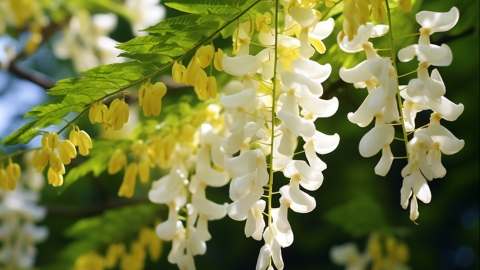
If the TCM prescription does not specifically prohibit consumption and the physician permits the intake of cooling-natured foods, then moderate consumption of locust flowers is acceptable. Locust flowers have a sweet and cool nature, exerting effects of clearing heat and detoxifying, cooling blood, and stopping bleeding. They may assist TCM in achieving therapeutic effects. For example, when taking heat-clearing TCM, moderate consumption of locust flowers may have a synergistic effect, helping alleviate internal heat, provided the physician confirms there are no contraindications.
If the TCM prescription explicitly prohibits cooling-natured foods, or if the patient suffers from a cold constitution with weak spleen and stomach function, consuming locust flowers is not appropriate. The cooling nature of locust flowers may weaken the medicine's effectiveness or exacerbate physical discomfort, especially for those with sensitive stomachs, potentially causing abdominal pain or diarrhea. Additionally, some TCM prescriptions require avoiding specific food combinations to prevent reduced efficacy or adverse reactions. In such cases, following medical advice to avoid eating locust flowers is the safer choice.
Before consuming locust flowers, it is advisable to consult a doctor's opinion and consider one's body constitution and the requirements of the TCM prescription to ensure safety and maintain health balance.


