What does it mean to have multiple cervical cysts?
May 10, 2025
Source: Cainiu Health

Dr. Zhang Lu
Introduction
During the healing process of the cervix, newly formed squamous epithelium may cover or extend into the cervical glandular orifices, blocking them and preventing the outflow of secretions, which then accumulate within the glands, forming cysts. These cysts generally cause no significant symptoms and are often discovered during gynecological examinations. Usually, no special treatment is required; however, regular gynecological check-ups are recommended to monitor any changes in the cysts.
Multiple cervical cysts may be caused by cervical glandular duct obstruction, hormonal changes, endocrine disorders, local cervical injury, chronic cervicitis, and other factors. Management depends on the specific circumstances. If discomfort occurs, it is recommended to seek medical attention at a hospital promptly and follow the doctor's instructions for treatment.
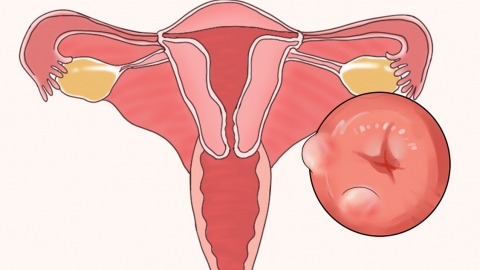
1. Cervical glandular duct obstruction: During cervical healing, newly formed squamous epithelium may cover or extend into the cervical glandular ducts, blocking the duct openings and preventing the drainage of secretions from the glands, resulting in fluid retention and cyst formation. These cysts are usually asymptomatic and often discovered incidentally during gynecological examinations. Typically, no specific treatment is required, but regular gynecological check-ups are recommended to monitor any changes in the cysts.
2. Hormonal changes: Fluctuations in female hormone levels may affect the secretion and metabolism of cervical glands, leading to ductal blockage and subsequent cyst formation. In most cases, there are no obvious symptoms, although some individuals may experience increased vaginal discharge. Maintaining a healthy lifestyle, including regular sleep patterns, balanced nutrition, and moderate exercise, can help maintain relatively stable hormone levels.
3. Endocrine disorders: Irregular diet and sleep patterns may lead to long-term endocrine disorders, affecting local cervical cell metabolism and glandular secretion, thereby increasing the likelihood of multiple cervical cysts. This condition may be accompanied by symptoms such as menstrual irregularities and mood swings. It is recommended to regulate the endocrine system by maintaining regular sleep and dietary habits to promote recovery.
4. Local cervical injury: Repeated induced abortions, childbirth, or cervical surgeries can cause local cervical damage. During the healing process, fibrous tissue proliferation may compress the glandular ducts, hindering the outflow of glandular secretions and forming cysts. Symptoms may include increased vaginal discharge, sometimes with blood-tinged discharge. It is recommended to use medications such as Gonyaulax tablets, Fuke Qianjin tablets, and Kangfu Anti-inflammatory suppositories under a doctor's guidance to alleviate symptoms.
5. Chronic cervicitis: Long-standing cervical inflammation causes cervical tissue congestion and edema, along with glandular and stromal hyperplasia, which can lead to narrowing or blockage of the glandular ducts and the formation of cysts. Patients often experience increased vaginal discharge, which may be mucopurulent, accompanied by external genital itching and burning sensations, or postcoital bleeding. Patients may use medications such as Baofukang suppositories, Xiaomie suppositories, and Anti-Cervicitis tablets under medical supervision to alleviate symptoms.
Treatment should be individualized according to each patient's specific condition to effectively manage cysts, relieve symptoms, and prevent recurrence. At the same time, maintaining good living and hygiene habits can help prevent the occurrence of multiple cervical cysts.