


Why does gastric juice flow into the small intestine?

Generally, the reasons for gastric juice flowing into the small intestine may include normal physiological processes, pyloric sphincter dysfunction, gastroesophageal reflux, pyloric obstruction, pancreatitis, and others. Symptomatic management may involve general treatments, medications, and other approaches. If discomfort occurs, timely medical consultation is recommended to receive appropriate treatment under a doctor's guidance. Detailed explanations are as follows:
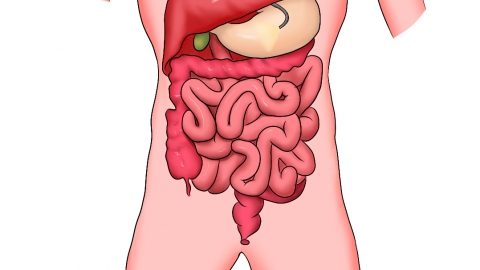
1. Normal Physiological Phenomenon
During normal physiological activities, gastric juice passes through the pyloric sphincter into the duodenum to assist in food digestion. Since the duodenum is part of the small intestine, gastric juice flows into the small intestine during this process. This is a normal part of the digestive system's function, ensuring adequate digestion and absorption of food. No special treatment is required; maintaining healthy dietary habits and regular作息 patterns is sufficient.
2. Pyloric Sphincter Dysfunction
The pyloric sphincter, located between the stomach and the small intestine, controls the flow of gastric juice into the small intestine. When the pyloric sphincter functions abnormally, it may fail to effectively prevent gastric juice from refluxing into the small intestine, thereby increasing the amount of gastric juice in the small intestine and possibly causing symptoms such as stomach discomfort and bloating. It is recommended to improve symptoms by adjusting dietary habits and avoiding irritant foods.
3. Gastroesophageal Reflux
Gastroesophageal reflux is associated with dysfunction of the lower esophageal sphincter and reduced esophageal clearance, allowing gastric contents to reflux easily into the esophagus. Gastric juice may continue to reflux upward into the duodenum and small intestine, causing inflammation and discomfort, along with symptoms such as chest pain, heartburn, and difficulty swallowing. It is recommended to follow medical advice and use medications such as omeprazole enteric-coated capsules, lansoprazole enteric-coated tablets, and domperidone tablets to alleviate symptoms.
4. Pyloric Obstruction
Gastric ulcers or inflammation may cause pyloric obstruction, preventing gastric contents from passing smoothly through the pylorus into the duodenum, leading to increased gastric pressure. As a result, gastric juice is forced backward into the small intestine, causing symptoms such as nausea, vomiting, and abdominal pain. It is recommended to follow medical advice and use medications such as ranitidine hydrochloride capsules, famotidine tablets, and nizatidine capsules for treatment.
5. Pancreatitis
Pancreatitis may be triggered by factors such as gallstones, excessive alcohol consumption, and hyperlipidemia. In acute or chronic pancreatitis, the digestive enzymes secreted by the pancreas become more active, possibly causing pancreatic juice to mix with gastric juice and abnormally reflux into the small intestine, affecting digestion and absorption and causing severe abdominal pain, nausea, vomiting, and other symptoms. It is recommended to follow medical advice and use medications such as pantoprazole sodium enteric-coated capsules, omeprazole enteric-coated capsules, and octreotide acetate injection to alleviate symptoms.
In daily life, maintaining healthy eating habits and regular作息 patterns can help reduce the likelihood of gastric juice reflux into the small intestine.


