Why Eating Snacks Can Cause Malnutrition
May 13, 2025
Source: Cainiu Health

Dr. Yu Yongchao
Introduction
The reasons why snacking can lead to malnutrition include单一 nutritional composition, reduced intake of regular meals, the effects of additives and preservatives, disruption of eating patterns, and the risk of obesity and chronic diseases. To prevent malnutrition, it is recommended to control snack intake moderately, maintain a balanced diet, and consume more fresh fruits, vegetables, and whole grains to ensure comprehensive nutrient intake.
Generally, the reasons why eating snacks can lead to malnutrition include the following: limited nutritional variety, reduced intake of regular meals, effects of additives and preservatives, disruption of eating patterns, and the risks of obesity and chronic diseases. Details are as follows:
1. Limited Nutritional Variety
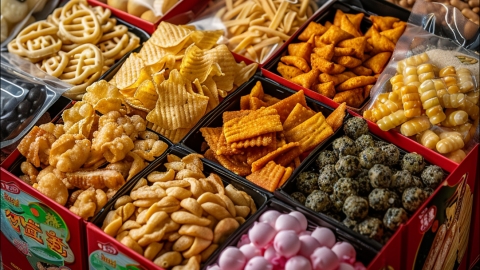
Snacks often contain high levels of sugar, oil, and starch, but lack essential nutrients such as protein, vitamins, and minerals required by the body. Long-term reliance on snacks as a staple food or excessive consumption may lead to nutritional imbalance and impair normal physiological functions.
2. Reduced Intake of Regular Meals
Snacks are high in calories and can easily create a feeling of fullness, which may reduce appetite and intake during regular meals. If children consume large amounts of snacks before meals, they may refuse to eat or eat very little during mealtime, thus failing to obtain sufficient nutrition from regular meals.
3. Effects of Additives and Preservatives
Many snacks contain large amounts of food additives and preservatives, such as sodium benzoate and potassium sorbate. Long-term excessive intake of these chemical substances may damage organs such as the liver and kidneys, thereby affecting the absorption and utilization of nutrients.
4. Disruption of Eating Patterns
Frequent snacking disrupts normal eating patterns, preventing the digestive system from developing conditioned reflexes for regular meal times. This not only affects the regularity of digestive function but also prevents the gastrointestinal tract from getting adequate rest, thus affecting the digestion and absorption of other foods.
5. Obesity and Chronic Diseases
The high-calorie, high-sugar, and high-fat content of snacks can easily lead to obesity, which is a significant risk factor for various chronic diseases. These chronic conditions can further affect the body's nutritional metabolism and utilization, ultimately leading to malnutrition.
To prevent malnutrition, it is recommended to control snack intake appropriately, maintain a balanced diet, and consume more fresh fruits, vegetables, and whole grains to ensure comprehensive nutrient intake. Meanwhile, parents and guardians should guide children to develop healthy eating habits and avoid excessive reliance on snacks.