


What Chinese herbs are incompatible with Ophiopogon japonicus (McDoor)?

Generally, Ophiopogon (McDoor) is incompatible with certain traditional Chinese medicines such as dried ginger, dandelion, ginseng, Evodia fruit, and cinnamon. If use is necessary, medical advice should be sought. Analysis is as follows:
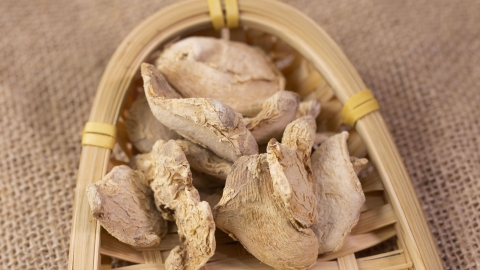
1. Dried Ginger
Dried ginger is strongly warming and functions to warm the middle jiao and dispel cold. Its properties conflict with those of Ophiopogon, which are cooling and nourishing to yin. Taking them together may cause mutual interference between cold and heat, potentially leading to gastrointestinal discomfort such as abdominal pain and diarrhea, while also reducing the yin-nourishing effects of Ophiopogon.
2. Dandelion
Both Ophiopogon and dandelion are cold in nature. When consumed together, they may increase internal coldness, further impairing spleen and stomach function, and potentially causing diarrhea or other digestive discomfort.
3. Ginseng
Ophiopogon is slightly cold in nature, whereas ginseng is slightly warm. Their differing properties may counteract each other. When taken together, they may interfere with each other's therapeutic effects due to their opposing natures.
4. Evodia Fruit
Evodia fruit is hot in nature and functions to warm the middle jiao, dispel cold, regulate qi, and relieve pain. Its properties and actions oppose those of Ophiopogon, and combining them may result in mutual restraint of their effects. This combination may be unsuitable for individuals requiring yin nourishment and heat clearance.
5. Cinnamon
Cinnamon is hot in nature and functions to warm kidney yang, and warm the spleen and stomach. When combined with Ophiopogon, its warming properties may conflict with the cooling nature of Ophiopogon, thereby interfering with therapeutic effects. This combination should especially be avoided in individuals with internal heat or yin deficiency with fire hyperactivity.
Although the above-mentioned Chinese herbs may potentially be incompatible or interact adversely with Ophiopogon, this does not mean they absolutely cannot be used together. In actual clinical practice, physicians will formulate appropriate herbal combinations based on the patient's specific condition and constitution.


