


What are the differences between Coriaria sinica and mulberries?

Generally speaking, the differences between Coriaria sinica (horse桑) and mulberry fruits can be observed in terms of uses, toxic components, nutritional content, origin, and appearance. The details are as follows:
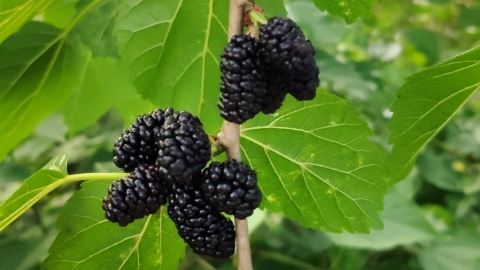
1. Uses
In traditional practices, Coriaria sinica has occasionally been used for insecticidal purposes or externally applied to treat sores (requiring strict processing). However, due to its high toxicity, it is now rarely used. Mulberries can be consumed fresh, made into jam, or used for winemaking.
2. Toxic Components
The entire Coriaria sinica plant contains neurotoxins such as corianin and tutin. Ingestion by mistake may cause vomiting, convulsions, and even death. Mulberries are non-toxic and safe for consumption.
3. Nutritional Content
Mulberries are rich in various nutrients beneficial to human health, including vitamins C and K, iron, potassium, and more. Although Coriaria sinica fruits also contain some nutrients, certain varieties or immature fruits may contain toxic substances.
4. Origin
Coriaria sinica fruits come from the plant Coriaria sinica of the family Loganiaceae. Mulberries are the fruits of Morus species in the family Moraceae, specifically from mulberry trees.
5. Appearance
Coriaria sinica fruits are relatively small, mostly oval or nearly spherical, turning bluish-black when mature, with a powdery coating on the surface. Mulberries are larger in size, with a shape that is elongated oval or cylindrical. Their color changes from green to red as they ripen.
Before picking or consuming any wild plants in the wild, always confirm their species and safety to avoid the risk of poisoning.


