


Can patients with hemorrhoids eat crawfish?
May 24, 2025
Source: Cainiu Health

Dr. Li Jingxiang
Introduction
If a patient's hemorrhoid condition is mild, they may moderately consume cooked crayfish with light seasoning; however, if the patient is experiencing an acute flare-up of hemorrhoids, it is not recommended to eat crayfish. For patients with mild hemorrhoids who do not exhibit obvious symptoms of inflammation, bleeding, or pain, moderate consumption of cooked crayfish with light seasoning is acceptable.
Generally, if a patient with hemorrhoids has a mild condition, they may consume cooked crayfish with light seasoning in moderation. However, if the patient is experiencing an acute flare-up of hemorrhoids, it is not advisable to eat crayfish. Detailed explanations are as follows:
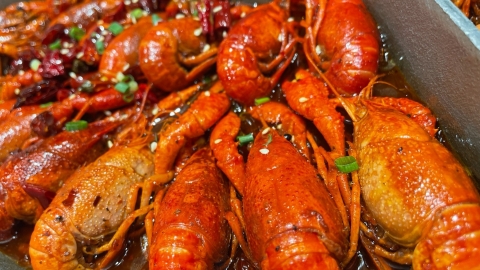
If a patient's hemorrhoid condition is mild and there are no obvious symptoms of inflammation, bleeding, or pain, consuming cooked crayfish with light seasoning in moderation is acceptable. Crayfish are rich in high-quality protein and minerals such as zinc and selenium, and moderate consumption can help supplement nutrition. However, as a type of crustacean seafood, crayfish contain certain amounts of histamine. Some individuals with allergic constitutions may experience intestinal allergic reactions after consumption, such as diarrhea and anal heaviness, which could indirectly worsen hemorrhoid symptoms.
If a patient with hemorrhoids is experiencing an acute episode with obvious symptoms such as inflammation, bleeding, and swelling or pain, eating crayfish may not be appropriate. Common preparations of crayfish in markets, such as spicy chili crayfish or garlic-flavored crayfish, often include large amounts of irritating seasonings such as chili peppers, Sichuan peppercorns, and garlic. These ingredients can strongly irritate the mucous membranes of the digestive tract, increasing intestinal motility and potentially causing diarrhea or constipation. Capsaicin, a compound found in chili peppers, can also reach the anal sphincter through blood circulation, causing local vasodilation and congestion, thereby worsening symptoms such as anal heaviness, pain, or bleeding in patients with hemorrhoids.
The diet of patients with hemorrhoids should follow the principles of being light, high in fiber, and low in irritation. It is recommended to avoid spicy foods, greasy foods, alcohol, and other irritating foods to reduce stimulation to the anal blood vessels; increase the intake of dietary fiber, such as oats, celery, and apples, to promote intestinal motility and prevent constipation; drink plenty of water daily to keep stools soft and reduce friction on the hemorrhoids during defecation.






