


How is a sebaceous cyst treated?

Sebaceous cysts develop when sebum—produced by the sebaceous glands—fails to exit normally through the hair follicle opening and instead accumulates within the gland, forming a cyst. These cysts may occur at any age but are most common in adolescents and young adults. They frequently appear on the head, face, and trunk. Due to variations in depth and volume of cyst contents, their size may differ significantly. Even if a cyst ruptures spontaneously and its contents drain, recurrence remains likely unless surgically excised. So, how are sebaceous cysts treated? Below is an explanation addressing this question.
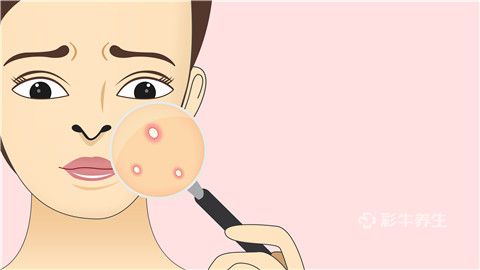
How Are Sebaceous Cysts Treated?
1. Surgical Excision
Although sebaceous cysts rarely pose a serious threat to overall health, they may progressively enlarge and compress surrounding tissues. Moreover, facial or cervical cysts can alter appearance, negatively affecting self-confidence and psychological well-being. Common surgical approaches include: for larger cysts, conventional elliptical incisions provide full exposure and enable complete removal—but leave more noticeable scars. For smaller cysts on the face or neck, incisionless decompression or minimally invasive small-incision excision techniques are preferred to preserve aesthetics. In cases of infected sebaceous cysts, infection must first be controlled before surgical excision.

2. Other Treatment Options
CO2 laser therapy involves using a CO2 laser beam to penetrate the cyst wall, allowing drainage of its contents, followed by mechanical removal of the cyst wall. This method is suitable for non-infected cysts measuring less than 1 cm in diameter; otherwise, recurrence risk increases. Compared with conventional surgery, it avoids visible incisional scarring and offers advantages such as simplicity of operation and minimal tissue reaction. The typical treatment course lasts approximately one to two weeks, though duration may vary depending on disease severity, treatment modality, timing of intervention, patient age, and physical condition—reflecting individual variability. Additionally, traditional Chinese medicine (TCM) approaches may be employed, utilizing caustic agents to eradicate the cyst wall and prevent recurrence.

3. Preventive Measures
Key preventive strategies for sebaceous cysts include maintaining good personal hygiene and protecting the skin—such as regular face and body washing—to avoid accumulation of dirt and subsequent infection-induced obstruction of sebaceous glands. If skin infection occurs, avoid scratching and promptly initiate antibiotic therapy. In case of skin injury, timely wound debridement and dressing are essential. Physical therapies—including cryotherapy and electro-ion micro-invasive therapy—are also available, particularly beneficial for patients with infected cysts. These modalities offer advantages such as procedural simplicity, minimal incisions, reduced bleeding, low recurrence rates, and absence of conspicuous scarring.
The above outlines current approaches to treating sebaceous cysts. We hope this information proves helpful. Wishing you a joyful life and optimal health!


