


Can persimmons and tea be consumed together?

If the persimmon is mature, it can generally be consumed with tea. However, if the persimmon is not fully ripe or is consumed in large quantities, it is generally not advisable to consume it with tea.
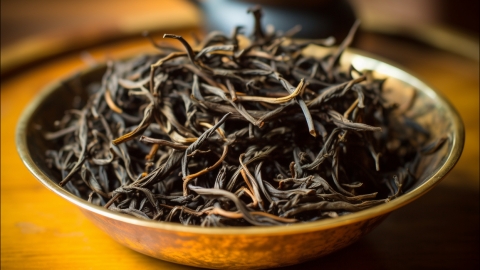
Mature persimmons contain lower levels of tannic acid, and eating them does not usually cause noticeable discomfort. Therefore, consuming mature persimmons together with tea generally does not cause health problems. For health reasons, it is recommended to separate their consumption by some time, especially for individuals with sensitive digestive systems or specific health conditions.
Persimmons are cold in nature and contain significant amounts of tannic acid and pectin, and tea also contains considerable tannic acid. Consuming large quantities of both together may increase the burden on the gastrointestinal tract, leading to discomfort symptoms such as nausea, vomiting, abdominal pain, and diarrhea. Particularly with unripe persimmons, which contain even higher levels of tannic acid, gastrointestinal discomfort is more likely to occur. On an empty stomach, the gastrointestinal tract is more sensitive and prone to irritation. Therefore, eating persimmons on an empty stomach or drinking strong tea should be avoided.
In daily diet, it is recommended to maintain a balanced dietary structure and diversify food intake to help maintain good health.


