


Can persimmons and string beans be eaten together?

Generally speaking, persimmons and string beans can be eaten together, but in moderation and provided the persimmons are fully ripe. Detailed analysis is as follows:
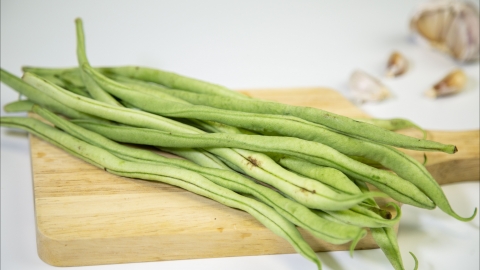
Persimmons are rich in vitamin C, carotene, and various minerals, while string beans contain abundant protein, dietary fiber, and vitamin K. When consumed together, they can complement each other nutritionally, providing various nutrients needed by the human body.
Although persimmons and string beans can be eaten together, it is important to control the amount consumed. Persimmons contain tannic acid, which may cause gastrointestinal discomfort, such as stomach pain and nausea, when consumed in large quantities. Additionally, excessive consumption may burden the gastrointestinal tract, leading to symptoms such as abdominal pain and bloating.
If unripe persimmons are consumed, the high levels of tannic acid and pectin may combine with the protein in string beans to form indigestible precipitates, increasing the burden on the gastrointestinal tract and potentially causing discomfort such as abdominal pain and bloating. Therefore, when choosing persimmons for consumption, ensure that they are fully ripe.


