


Can persimmons and mung beans be eaten together?

Persimmons and mung beans can generally be consumed together, but it is important to eat them in moderation and avoid excessive intake.
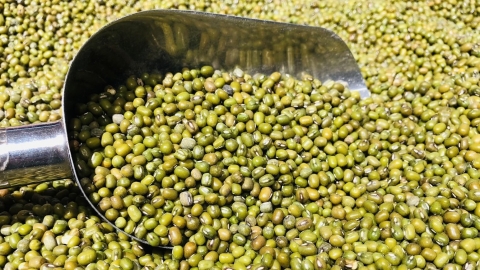
Ripe persimmons contain relatively low levels of tannic acid, making them less likely to form indigestible complexes with proteins in food. Mung beans, rich in protein and dietary fiber, have effects of clearing heat and detoxifying, as well as promoting diuresis and reducing edema. Generally, consuming these two foods together does not cause adverse reactions, and their nutritional values complement each other.
Both mung beans and persimmons are considered cooling foods. Consuming excessive amounts together may irritate the gastrointestinal tract, potentially causing gastrointestinal disturbances such as abdominal pain and diarrhea. Persimmons are rich in tannic acid, which may combine with proteins in the gastrointestinal tract to form insoluble precipitates, thus affecting digestion and absorption. Although mung beans are not extremely high in protein content, consuming excessive amounts together with persimmons may still increase the burden on the gastrointestinal system and lead to indigestion.
Therefore, it is recommended to consume persimmons and mung beans in moderation. In daily diets, one should focus on food diversification, ensure balanced intake of various nutrients, avoid excessive consumption of any single food item, and maintain a healthy lifestyle.


