


Can corn and chestnuts be eaten together?

Corn and chestnuts can generally be eaten together, but it's important to consume them in appropriate amounts.
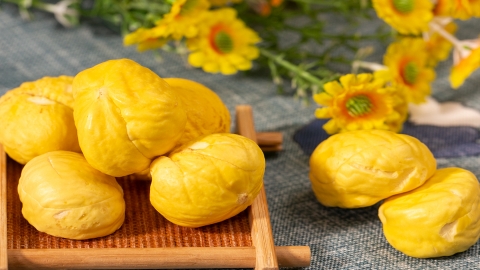
Corn is rich in B-complex vitamins, dietary fiber, and certain minerals, while chestnuts contain abundant protein, vitamin C, and various trace elements. When consumed together, they can complement each other nutritionally to a certain extent, providing more comprehensive nutrients. For individuals with a healthy digestive system and no specific food intolerances or allergic reactions, eating corn and chestnuts together generally does not cause indigestion or other discomfort. On the contrary, moderate consumption can help promote intestinal motility and improve constipation.
Although corn and chestnuts can be eaten together, it is necessary to consume them in moderation according to individual constitution and digestive capacity. Overconsumption may lead to indigestion, bloating, or other uncomfortable symptoms. Particularly for certain special populations, such as those with weak spleen and stomach function or digestive disorders, extra caution should be taken to avoid increasing the burden on the gastrointestinal tract.
In any case, balanced dietary combinations and moderate consumption are key. In daily diets, attention should be given to food diversity, balanced intake of various nutrients, avoiding excessive intake of any single food item, and maintaining a healthy lifestyle.


