


Can sweet potatoes and bean sprouts be eaten together?
Jun 03, 2025
Source: Cainiu Health

Dr. Yang Ziqi
Introduction
Under normal circumstances, sweet potatoes and bean sprouts can be eaten together, but it is important to consume them in moderation. Sweet potatoes are rich in carbohydrates, dietary fiber, vitamin A, vitamin C, B-complex vitamins, potassium, magnesium, iron, and other nutrients. They can promote intestinal motility, prevent constipation and intestinal diseases, help prevent night blindness and dry eye syndrome, and also contribute to maintaining normal heart function and stable blood pressure.
Under normal circumstances, sweet potatoes and bean sprouts can be consumed together, but it is important to eat them in moderation. A detailed explanation is as follows:
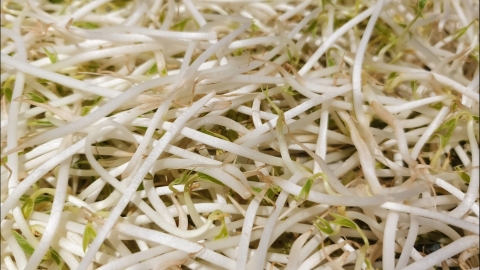
Sweet potatoes are rich in carbohydrates, dietary fiber, vitamin A, vitamin C, B-complex vitamins, potassium, magnesium, iron, and other nutrients. They can promote intestinal motility, prevent constipation and intestinal diseases, help prevent night blindness and dry eye syndrome, and contribute to maintaining normal heart function and stable blood pressure. Bean sprouts, including mung bean sprouts and soybean sprouts, contain abundant vitamin C, vitamin E, B-complex vitamins, dietary fiber, protein, calcium, phosphorus, iron, and other nutrients. These nutrients help protect cells from free radical damage, delay aging, promote intestinal health, and benefit bone and blood health.
Both foods are rich in vitamin C, and consuming them together can enhance antioxidant capacity and boost immunity. The dietary fiber in sweet potatoes combined with that in bean sprouts can more effectively promote intestinal motility, prevent constipation, and maintain intestinal microbiota balance. However, moderation is important, as sweet potatoes have a high starch content, and excessive consumption may lead to excessive calorie intake and potentially cause weight gain. Bean sprouts are relatively cold in nature, and excessive consumption by individuals with weak gastrointestinal function may irritate the stomach and intestines, causing symptoms such as abdominal pain and diarrhea.
While enjoying food, it is important to make reasonable choices based on individual health conditions and, when necessary, seek advice from a doctor or nutritionist to ensure dietary safety and health. It is recommended to pay attention to dietary diversity and balance in daily meals, avoiding excessive intake of any single food or nutrient.





