


What are the causes of tea intoxication from drinking oolong tea?
Jun 05, 2025
Source: Cainiu Health

Dr. Yang Ziqi
Introduction
Under normal circumstances, the causes of tea intoxication (tea drunkenness) from drinking oolong tea include high content of polyphenols, the effects of caffeine, drinking tea on an empty stomach, consuming tea that is too strong, and drinking tea too quickly. Individuals prone to tea intoxication should appropriately reduce their tea consumption to avoid excessive intake of caffeine and theine. It is advisable to eat some food before drinking tea in order to slow down the absorption of stimulants present in the tea.
Generally, the causes of tea intoxication (drunken tea syndrome) from drinking oolong tea include high polyphenol content, the effects of caffeine, drinking tea on an empty stomach, drinking overly strong tea, and drinking tea too quickly. Details are as follows:
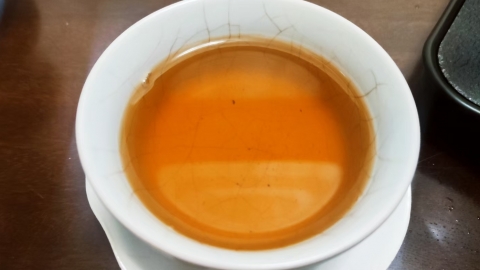
1. High Content of Tea Polyphenols
Oolong tea contains abundant polyphenols, which are strongly stimulating. Excessive intake can excite the central nervous system. When the nervous system remains excited for a prolonged period, it may cause symptoms such as palpitations, dizziness, fatigue, and other effects similar to being drunk, known as tea intoxication.
2. Caffeine Effects
Oolong tea contains relatively high levels of caffeine. Caffeine can stimulate the central nervous system, accelerate metabolism, and increase heart rate. Consuming large quantities of oolong tea in a short time, thereby ingesting excessive caffeine, may lead to tachycardia, accelerated blood circulation, and symptoms such as dizziness and palpitations, resembling the feeling of being intoxicated.
3. Drinking Tea on an Empty Stomach
When fasting, blood sugar levels are relatively low, and the gastrointestinal tract lacks food to buffer the effects. At this time, drinking oolong tea allows its components to be rapidly absorbed into the bloodstream, especially caffeine and tea polyphenols, which can irritate the gastrointestinal mucosa, causing gastrointestinal discomfort, further lowering blood sugar levels, and triggering symptoms of tea intoxication such as dizziness, palpitations, and cold sweats.
4. Drinking Overly Strong Tea
Strong tea contains higher concentrations of substances such as polyphenols and caffeine. If the oolong tea is brewed too strongly, after consumption, excessive polyphenols and caffeine can strongly stimulate the body, not only increasing the burden on the gastrointestinal system but also overexciting the nervous system, making tea intoxication more likely, manifesting as headache, insomnia, and irritability.
5. Drinking Tea Too Quickly
If a large quantity of oolong tea is consumed rapidly, its components can enter the body in a short period in large amounts, exceeding the body's metabolic and tolerance capacity. Particularly, components like caffeine cannot be adequately metabolized and excreted promptly, leading to accumulation in the body and triggering symptoms of tea intoxication, such as nausea, vomiting, and limb weakness.
Individuals prone to tea intoxication should appropriately reduce their tea consumption to avoid excessive intake of caffeine and theine. It is advisable to eat something before drinking tea to slow down the absorption rate of stimulants in the tea. Additionally, choose high-quality oolong tea with moderate caffeine and theine content, and use proper brewing methods to avoid excessively long brewing times or overly hot water.





