


What causes hand tremors at the age of 17 or 18?
Jun 06, 2025
Source: Cainiu Health

Dr. Yang Ziqi
Introduction
Under normal circumstances, hand tremors in individuals around the age of 17 or 18 may be caused by emotional tension or anxiety, external pressure, vigorous exercise, hypoglycemia, hyperthyroidism, or other similar factors. Symptomatic management may involve general treatment approaches or medication. It is recommended to maintain a regular daily routine, ensure sufficient sleep, and enhance physical immunity to help reduce the occurrence of such conditions.
Generally, hand tremors in individuals around the age of 17 or 18 may be caused by emotional tension or anxiety, external pressure, vigorous exercise, hypoglycemia, hyperthyroidism, and other factors. Symptomatic management such as general treatment or medication may be needed. If discomfort occurs, it is recommended to seek medical attention promptly and undergo appropriate treatment under a doctor's guidance. Detailed explanations are as follows:
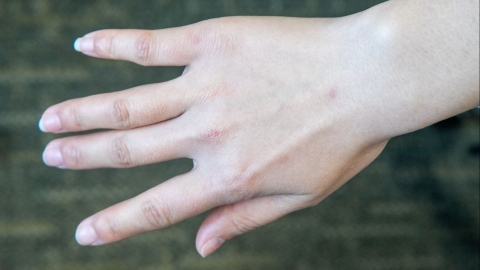
1. Emotional Tension or Anxiety
Adolescence is an important stage of psychological development. When emotional fluctuations occur, such as nervousness, anxiety, or excitement, the sympathetic nervous system becomes activated, releasing stress hormones like adrenaline, which increases heart rate and blood pressure, thereby affecting hand muscle control and causing tremors. Symptoms may include rapid heartbeat, sweating, and shortness of breath. It is recommended to learn relaxation techniques, such as deep breathing, meditation, or yoga, to help reduce emotional stress.
2. External Pressure
If the upper limbs remain hanging at the sides of the body for prolonged periods or experience sustained external pressure, local blood circulation may be obstructed, potentially causing hand tremors. This may be accompanied by symptoms such as numbness and weakness in the hands. It is recommended to promote blood circulation and relieve symptoms by shaking or massaging the upper limbs during daily activities.
3. Vigorous Exercise
After engaging in strenuous activities such as lifting or carrying heavy objects, the nervous system in the hands may remain in a tense state, potentially leading to hand tremors. In most cases, symptoms resolve spontaneously without specific treatment. It is recommended to rest appropriately and avoid excessive fatigue. Symptoms can be relieved through massage, heat application, and similar methods.
4. Hypoglycemia
Irregular eating habits or excessive dieting in adolescents may lead to hypoglycemia. When blood sugar levels are low, the brain lacks sufficient energy supply, affecting normal nervous system function and reducing hand muscle control, resulting in hand tremors. Additional symptoms may include dizziness, sweating, and hunger. It is recommended to promptly consume sugary foods or drinks and follow medical advice to use medications such as glucose sodium chloride injection, hydrocortisone tablets, or mannitol injection to alleviate symptoms.
5. Hyperthyroidism
Autoimmune disorders, genetic factors, environmental influences, and other factors may lead to hyperthyroidism. When hyperthyroidism occurs, excessive thyroid hormones accelerate the body's metabolism and affect the stability of the nervous system, reducing hand muscle control and causing tremors. Patients may also experience symptoms such as palpitations, excessive sweating, and weight loss. It is recommended to follow a doctor's guidance in using medications such as methimazole tablets, propylthiouracil tablets, or carbimazole tablets for treatment.
It is also recommended to maintain a regular daily routine and ensure sufficient sleep to enhance physical resistance and reduce the occurrence of diseases.



