


Can I eat waxberries after having a tooth pulled?
Jun 09, 2025
Source: Cainiu Health

Dr. Liu Chao
Introduction
If the oral wound has healed well after tooth extraction, with no significant pain, swelling, or signs of infection, and your dentist has confirmed that you can resume a normal diet, then eating a moderate amount of Chinese bayberry (Myrica rubra) is acceptable. Chinese bayberry is rich in vitamin C and fiber, which can help enhance immunity and promote wound healing. However, it is important not to consume excessive amounts of Chinese bayberry.
Generally speaking, whether one can eat waxberries after tooth extraction depends on the healing condition of the wound. The specific situations are as follows:
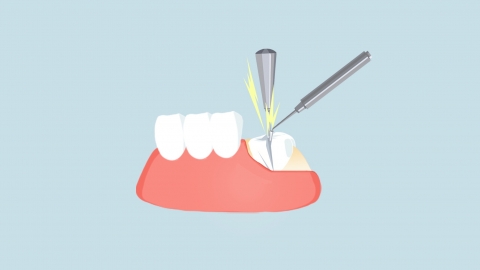
If the wound heals well and remains stable one week after tooth extraction, eating may gradually resume. Waxberries have a soft texture, which can reduce stress on the teeth, and they are rich in vitamins, offering some benefits for wound healing. Before consumption, it is recommended to rinse the mouth with normal saline to clean the oral cavity. After eating waxberries, promptly rinse again to remove food residue and prevent irritation or infection of the wound.
However, during the early phase after tooth extraction, the oral wound is relatively sensitive, with a certain risk of pain and bleeding. At this stage, one should avoid consuming overly hard, hot, cold, sour, or sweet foods, as these may irritate the wound and cause bleeding or infection. Due to their sour and sweet characteristics, waxberries may irritate the wound and cause discomfort. Therefore, during the initial healing phase, especially if wound healing is poor, waxberries should not be consumed.
Therefore, whether one can eat waxberries after tooth extraction should be determined based on the recovery status of the wound. Additionally, when consuming waxberries, attention should be paid to moderation, oral hygiene, and monitoring of the wound's response.




