


Can I eat waxberry after taking Korean ginseng?

Generally, it is acceptable to consume a moderate amount of waxberry after taking Korean ginseng, but attention should be paid to the time interval and intake amount. The detailed explanation is as follows:
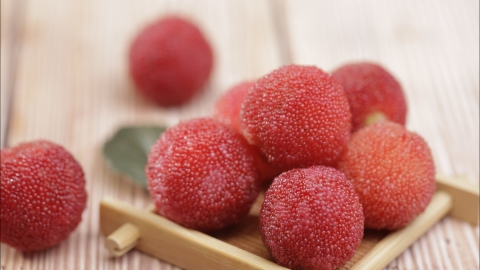
Korean ginseng is warm in nature and contains ginsenosides and amino acids. It has functions of nourishing qi and blood and enhancing immunity. Waxberry is slightly warm in nature and rich in vitamin C, organic acids, and dietary fiber. There is no obvious conflict between the properties and components of Korean ginseng and waxberry. If a small amount of waxberry is consumed one to two hours after taking Korean ginseng, vitamin C may promote the absorption of ginsenosides, while dietary fiber can aid gastrointestinal motility, causing no adverse effects on the body.
However, Korean ginseng is a qi-replenishing ingredient, and excessive consumption may cause heatiness. If the organic acids in waxberry are ingested before the Korean ginseng is fully digested, they may irritate the gastric mucosa and increase the gastrointestinal burden. Individuals with weak spleen and stomach functions may experience bloating and acid reflux. Those allergic to Korean ginseng or waxberry may experience allergic reactions such as rashes, itching, and nausea after consumption. Please refer to allergic reactions for more information and exercise extra caution.
In addition, Korean ginseng may affect blood sugar and blood pressure. Consuming excessive amounts of Korean ginseng together with waxberry may interfere with the body's metabolic balance. Patients with chronic diseases should strictly control their intake.


