


Can strawberries and oysters be eaten together?

Generally speaking, bayberries and oysters can be consumed together, but excessive consumption should be avoided. The detailed analysis is as follows:
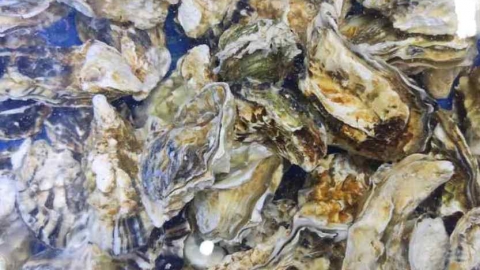
Bayberries are rich in vitamin C, fruit acids, and other components, offering effects of clearing heat, detoxifying, promoting saliva production, and relieving thirst. Oysters, on the other hand, contain abundant proteins, zinc, iron, and other minerals, providing nourishing and strengthening benefits while enhancing immunity. The nutritional profiles of these two foods complement each other, and consuming them together helps improve overall nutritional value. For most people, moderate consumption of bayberries and oysters does not typically cause adverse reactions.
However, the fruit acids in bayberries may irritate the gastric mucosa, and excessive intake could increase gastrointestinal burden, potentially causing discomfort such as abdominal pain and diarrhea. Additionally, oysters are high in purines, and excessive consumption might elevate uric acid levels, triggering or worsening symptoms of gout. Therefore, it is recommended to consume both bayberries and oysters in moderation. Moreover, individuals allergic to either bayberries or oysters should avoid consuming them together to prevent allergic reactions.
In daily diets, it is recommended to consume a variety of foods in moderation, pay attention to freshness and cooking methods, and avoid raw or undercooked consumption to prevent food poisoning or disease infection.


