


Can patients with yin deficiency and fire hyperactivity consume Ophiopogon japonicus (Mai Dong)?

Under normal circumstances, patients with yin deficiency and fire hyperactivity can consume Ophiopogon japonicus (McDoor), but it should be taken in moderation under the guidance of a TCM practitioner. Detailed explanations are as follows:
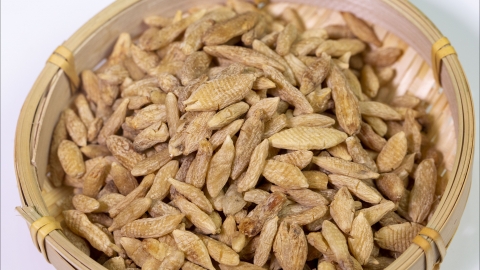
Yin deficiency with fire hyperactivity is generally associated with excessive fatigue, aging, chronic illness, excessive sexual activity, and other factors. Clinically, it commonly presents symptoms such as dizziness, tinnitus, and five-palm heat. Ophiopogon japonicus has functions of nourishing yin and clearing heat, thus helping to alleviate these symptoms. Additionally, Ophiopogon japonicus can promote the production of body fluids to relieve thirst, moisturize the mouth and throat, and alleviate thirst symptoms in patients with yin deficiency and fire hyperactivity.
While taking Ophiopogon japonicus, comprehensive regulation targeting the symptoms of yin deficiency with fire hyperactivity is also necessary, such as maintaining emotional stability, avoiding excessive fatigue, drinking more water, and getting sufficient rest. It is recommended to take Ophiopogon japonicus under the guidance of a qualified TCM practitioner to ensure safety and effectiveness of the medication.
During treatment, attention should also be paid to dietary regulation. Avoid spicy, stimulating, greasy, and heavily seasoned foods, and consume more light and easily digestible foods, which can help improve treatment outcomes.


