


Can patients with cheilitis eat lychee?

Patients with cheilitis can consume lychee in moderation when their symptoms have subsided and they are not allergic to lychee. However, those experiencing an active flare-up or who are allergic to lychee should avoid consumption. If in doubt, it is recommended to seek medical advice beforehand. Detailed explanation is as follows:
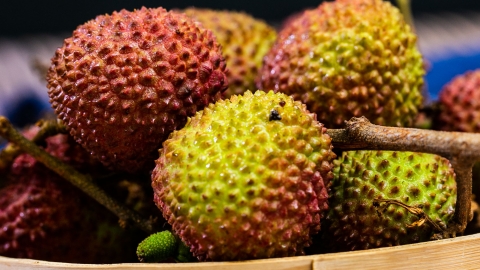
Patients whose cheilitis symptoms have resolved, with no redness, swelling, dryness, flaking, or other discomfort of the lips, and who have no history of lychee allergy, may consume small amounts of lychee. Lychee is rich in nutrients such as vitamin C, and moderate consumption can provide energy to the body. At this time, the mucosal condition of the lips is relatively stable, and small amounts of lychee generally will not irritate the lips or worsen inflammation.
For patients experiencing an acute flare-up of cheilitis, with symptoms such as significant pain, oozing, and crusting of the lips, eating lychee may exacerbate discomfort. Lychee has a warm and heaty nature; excessive consumption may lead to internal heat accumulation, which is unfavorable for inflammation recovery. Additionally, the juice of lychee has a high sugar content; contact with damaged lip mucosa may irritate the wound, cause pain, and potentially promote bacterial growth, delaying healing. Patients allergic to lychee may experience allergic reactions after consumption, leading to lip swelling and increased itching, thereby worsening symptoms of cheilitis.
Cheilitis patients should consume lychee cautiously. For those whose symptoms have improved, consumption should not exceed five lychees at one time, and the lips should be rinsed with water promptly after consumption. It is also important to avoid excessive lip licking in daily life and to maintain proper lip moisturization and care.


