


What causes hand tremors while typing?
Jun 16, 2025
Source: Cainiu Health

Dr. Yang Ziqi
Introduction
Under normal circumstances, hand tremors while typing may be caused by factors such as nervousness or anxiety, fatigue, essential tremor, hyperthyroidism, Parkinson's disease, and others. Symptomatic management such as general treatment or medication may be needed. It is recommended to ensure adequate sleep in daily life, allowing the body and nerves to fully relax, avoiding staying up late and excessive fatigue, thereby reducing the occurrence of hand tremors.
Generally speaking, hand tremors while typing may be caused by nervousness or anxiety, fatigue, essential tremor, hyperthyroidism, Parkinson's disease, and other conditions. Symptomatic management through general treatment or medication may be needed. If discomfort occurs, it is recommended to seek timely medical attention and undergo appropriate treatment under a doctor's guidance. Detailed explanations are as follows:
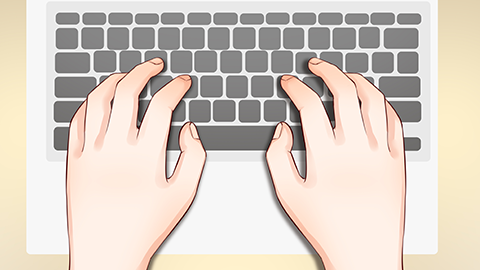
1. Nervousness or Anxiety
When an individual experiences nervousness or anxiety, the sympathetic nervous system becomes activated, leading to muscle tension and tremors. Symptoms may also include palpitations, sweating, and rapid breathing. It is recommended to learn relaxation techniques such as deep breathing, progressive muscle relaxation training, or meditation, which can help alleviate feelings of tension and anxiety.
2. Fatigue
Prolonged use of hand muscles, especially the fingers and wrists, can lead to muscle fatigue and lactic acid buildup, which may interfere with nerve conduction and cause hand tremors. This may also be accompanied by weakness, pain, or numbness in the hands. It is advisable to take regular breaks and stretch the hand muscles to avoid prolonged continuous use of computers or fine motor tasks.
3. Essential Tremor
Essential tremor is a benign movement disorder with a genetic predisposition. Patients may experience uncontrollable shaking and tremors in the body, including the hands, especially during periods of stress or fatigue. It is recommended to follow a doctor's guidance regarding the use of medications such as propranolol hydrochloride tablets, primidone tablets, or alprenolol hydrochloride tablets.
4. Hyperthyroidism
Excessive secretion of thyroid hormones leads to hyperthyroidism, which increases the body's metabolic rate and enhances the excitability of the nervous system. In addition to hand tremors, patients may also experience symptoms such as bulging eyes, irritability, and increased heart rate. It is recommended to follow a doctor's guidance regarding the use of medications such as methimazole tablets, propylthiouracil tablets, or carbimazole tablets.
5. Parkinson's Disease
Parkinson's disease is a neurodegenerative disorder commonly seen in the elderly. Patients experience damage or abnormal apoptosis of dopamine neurons in the brain, resulting in symptoms such as intermittent hand tremors, movement slowness, and gait abnormalities. It is recommended that patients follow medical advice to use medications such as benztropine hydrochloride tablets, amantadine hydrochloride tablets, or levodopa tablets to alleviate symptoms.
It is also recommended to ensure sufficient daily sleep to allow the body and nervous system to fully relax, avoiding staying up late and excessive fatigue to reduce the occurrence of hand tremors.




