


Can patients with appendicitis eat sweet potatoes?
Jun 16, 2025
Source: Cainiu Health

Dr. Shen Yonghua
Introduction
If appendicitis is in the recovery phase, with disappearance of symptoms such as abdominal pain and fever, normal passage of gas and bowel movements, and good gastrointestinal motility, small amounts of sweet potatoes may be consumed after being steamed thoroughly or cooked until soft. Sweet potatoes are rich in dietary fiber and vitamins, which can promote intestinal motility and help improve digestive function after surgery or during recovery. However, they should be peeled before consumption, and intake should be moderated to avoid excessive dietary fiber, which may increase the gastrointestinal burden.
Whether patients with appendicitis can eat sweet potatoes depends on the stage of their condition and digestive capacity. Sweet potatoes may be consumed in moderation when the condition is stable and digestion is normal, but they are not recommended during acute episodes or when gastrointestinal function is weak. If abnormalities occur, prompt medical attention is advised. Detailed analysis is as follows:
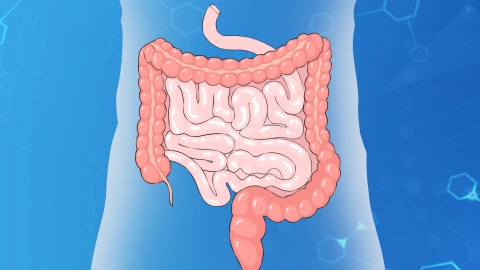
If appendicitis is in the recovery phase, with disappearance of symptoms such as abdominal pain and fever, normal passage of gas and bowel movements, and good gastrointestinal motility, small amounts of steamed or well-cooked soft sweet potatoes may be consumed. Sweet potatoes are rich in dietary fiber and vitamins, which can promote intestinal motility and aid digestion during post-operative or recovery periods. However, they should be peeled and consumed in moderation to avoid overloading the gastrointestinal system with excessive fiber.
During the acute phase of appendicitis, when the intestines are congested and swollen, the dietary fiber and starch in sweet potatoes may irritate the intestines, intensify gastrointestinal motility, and potentially trigger or worsen abdominal pain and bloating. Additionally, if patients experience indigestion, nausea, vomiting, or incomplete recovery of gastrointestinal function, eating sweet potatoes may easily lead to bloating due to increased gas production. In such cases, consumption should be avoided.
Appendicitis patients should decide on sweet potato consumption based on their recovery status, starting with small amounts of soft, mashed sweet potatoes and monitoring for gastrointestinal discomfort. If bloating or abdominal pain occurs, consumption should be stopped immediately. The daily diet should primarily consist of bland, easily digestible foods, with a gradual increase in dietary fiber intake to ensure balanced nutrition without compromising recovery.






