


Can lamb and fish be eaten together?
Jun 17, 2025
Source: Cainiu Health

Dr. Yu Yongchao
Introduction
Lamb meat is rich in high-quality protein, iron, and various minerals, which can replenish energy and help keep the body warm; fish meat contains abundant unsaturated fatty acids, high-quality protein, and vitamin D, which help protect the cardiovascular system and enhance immunity. When consumed together, these two meats complement each other nutritionally, providing more comprehensive nutrients. Moderate consumption generally does not cause adverse reactions.
Generally speaking, lamb and fish can be consumed together, but attention should be paid to controlling the intake amount. A detailed explanation is as follows:
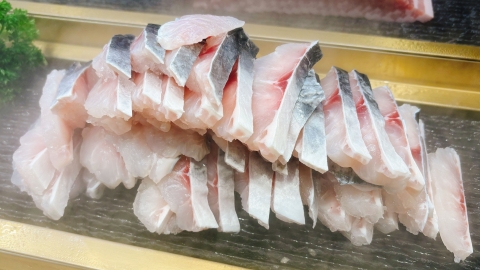
Lamb is rich in high-quality protein, iron, and various minerals, which can help replenish energy and provide warmth to the body. Fish contains abundant unsaturated fatty acids, high-quality protein, and vitamin D, which contribute to cardiovascular protection and enhanced immunity. When consumed together, their nutritional components complement each other, providing more comprehensive nutrition. Moderate consumption generally does not cause adverse reactions.
However, individuals with weak digestion should avoid excessive consumption. Lamb has a firm texture and fish contains high levels of protein; excessive intake of both can burden the gastrointestinal system, potentially causing symptoms such as bloating and indigestion. Patients with gout should also exercise caution, as lamb and fish, especially certain deep-sea fish, contain purines. Consuming large quantities together can elevate purine levels in the body, increase uric acid levels, and raise the risk of gout attacks. Additionally, individuals allergic to meat may experience allergic reactions such as skin itching and rashes after consumption.
Furthermore, in daily diet, it is important to maintain balanced nutrition and diverse food intake, avoiding excessive consumption of any single food type to promote overall health.



