


At what age can babies eat lychee?

Generally speaking, babies can try lychee when they are over 8 months old, have adapted to various complementary foods, and have good digestive function. The detailed explanation is as follows:
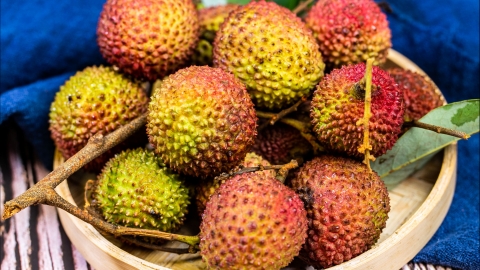
Babies younger than 8 months have immature gastrointestinal function and insufficient amylase secretion, making it difficult for them to digest the sugars and fruit acids in lychees. Feeding lychee to infants at this age may easily cause indigestion, diarrhea, and other issues. It may also affect normal milk intake and consumption of other complementary foods, disrupting nutritional balance. Therefore, it is not suitable to feed lychee too early.
When a baby reaches 8 months old, and has successfully been introduced to various complementary foods such as rice cereal, vegetable puree, and fruit puree, with no allergic or gastrointestinal discomfort symptoms and normal digestion, the lychee can be pitted and peeled, then made into a smooth puree and fed in small amounts. Start with 1-2 spoons for the first attempt, and observe for 2-3 days. If there are no allergic reactions such as rashes or vomiting, the amount can be gradually increased. This approach not only supplements vitamins and energy but also helps develop chewing and swallowing abilities.
Strict control of the amount is essential when feeding lychee to babies. Whole lychees should not be given to prevent choking. If allergic reactions or gastrointestinal discomfort occur, stop feeding immediately. Daily diet should still primarily consist of milk and staple foods to ensure comprehensive and balanced nutrition.


