


Can bananas and chestnuts be eaten together?
Jun 18, 2025
Source: Cainiu Health

Dr. Yu Yongchao
Introduction
Bananas are rich in potassium, vitamin B6, and dietary fiber, which help replenish energy and promote intestinal motility. Chestnuts contain carbohydrates, protein, and various minerals, providing the body with calories. When consumed together, their nutritional components do not conflict. Eating them in moderation can diversify taste while maintaining a balanced diet. The combination of bananas and chestnuts generally does not cause noticeable discomfort.
Generally speaking, bananas and chestnuts can be consumed together, but attention should be paid to controlling the intake amount. Detailed analysis is as follows:
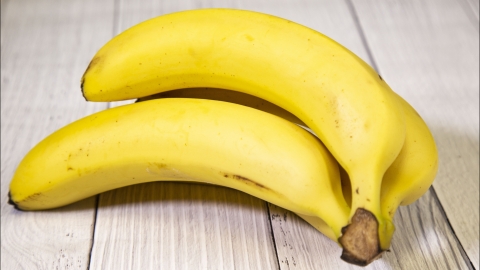
Bananas are rich in potassium, vitamin B6, and dietary fiber, which help replenish energy and promote intestinal motility. Chestnuts contain carbohydrates, protein, and various minerals, providing calories for the body. When consumed together, their nutritional components do not conflict, and moderate consumption can achieve a balanced diet while enhancing taste. Under the premise of moderate intake, combining bananas and chestnuts generally does not cause noticeable discomfort.
However, for individuals with weak gastrointestinal function or suffering from indigestion, consuming bananas and chestnuts together might increase digestive burden due to the dietary fiber in bananas and the starch in chestnuts, potentially causing symptoms such as bloating and abdominal pain. Individuals allergic to bananas or chestnuts might experience allergic reactions like rashes and itching after consumption. Those with such allergies should avoid consuming both together. Additionally, chestnuts are high in calories; when consumed with bananas, intake should be controlled, especially for individuals needing to manage calorie consumption.
Furthermore, in daily diet, it is important to maintain balanced nutrition and diverse food intake, avoiding excessive consumption of any single food to promote overall health.


