What causes numbness in the fingernails?
Jun 19, 2025
Source: Cainiu Health

Dr. Chen Jian
Introduction
In general, numbness in the fingernails may be caused by poor blood circulation, wearing tight clothing, cold environments, Raynaud's phenomenon, cervical spondylosis, or other similar reasons. Symptomatic management usually involves general treatment and medication. It is recommended in daily life to perform appropriate hand exercises, such as stretching fingers, clenching and unclenching fists, and other simple movements to promote hand blood circulation and alleviate numbness symptoms.
Generally, nail numbness may be caused by poor blood circulation, tight clothing, cold environments, Raynaud's phenomenon, cervical spondylosis, and other factors. Symptomatic management through general treatments, medications, and other methods is recommended. If discomfort persists, timely medical consultation is advised to receive appropriate treatment under a doctor's guidance. Detailed explanations are as follows:
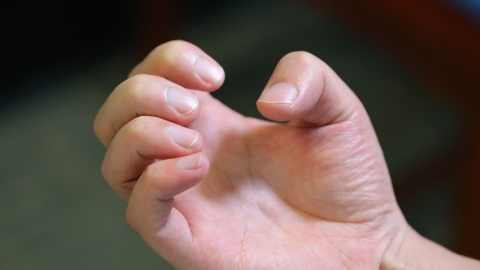
1. Poor Blood Circulation
Prolonged maintenance of the same posture, such as gripping objects for extended periods or sleeping with arms pressed against a table, may lead to poor circulation in the fingers, causing insufficient blood supply to the nail area and resulting in numbness. It is recommended to perform appropriate finger exercises or massage to promote blood circulation.
2. Tight Clothing
Wearing excessively tight clothing can compress the fingers or toes, obstructing blood circulation and causing ischemia of the nerve endings, which may lead to numbness. It is recommended to avoid wearing overly tight shoes, socks, or gloves and to choose comfortable clothing to reduce pressure on the fingers or toes.
3. Cold Environment
In cold environments, the body's protective mechanisms cause blood vessels to constrict, reducing heat loss and prioritizing blood supply to vital organs. This may slow blood flow to the fingers and nail areas, impairing nerve signal transmission and causing numbness. Symptoms may also include cold fingers, pallor, or cyanosis. It is recommended to keep warm by wearing gloves, socks, or other insulating clothing and to avoid prolonged exposure to cold environments.
4. Raynaud's Phenomenon
In patients with Raynaud's phenomenon, blood vessels are extremely sensitive to cold or emotional changes. Sudden vasoconstriction can lead to ischemia in the fingers and toes, causing color changes and numbness. Symptoms may also include fingers turning white, then purple, and finally red, along with pain or a prickling sensation. It is recommended to follow medical advice to use medications such as amlodipine tablets, prazosin hydrochloride tablets, or nifedipine tablets for treatment.
5. Cervical Spondylosis
Cervical spine disorders can compress nerve roots, affecting nerve conduction. When the C6-C8 nerve roots are affected, sensory and motor functions of the fingers may be impaired, leading to numbness. Symptoms may also include neck pain, arm weakness, and shoulder or back pain. It is recommended to follow medical advice to use medications such as sodium naproxen tablets, ibuprofen sustained-release capsules, or aceclofenac tablets to alleviate symptoms.
Daily recommendations include performing simple hand exercises such as finger stretches, clenching and releasing fists, and other basic movements to promote hand circulation and relieve numbness.